How to Build a Personal Career Roadmap from Scratch
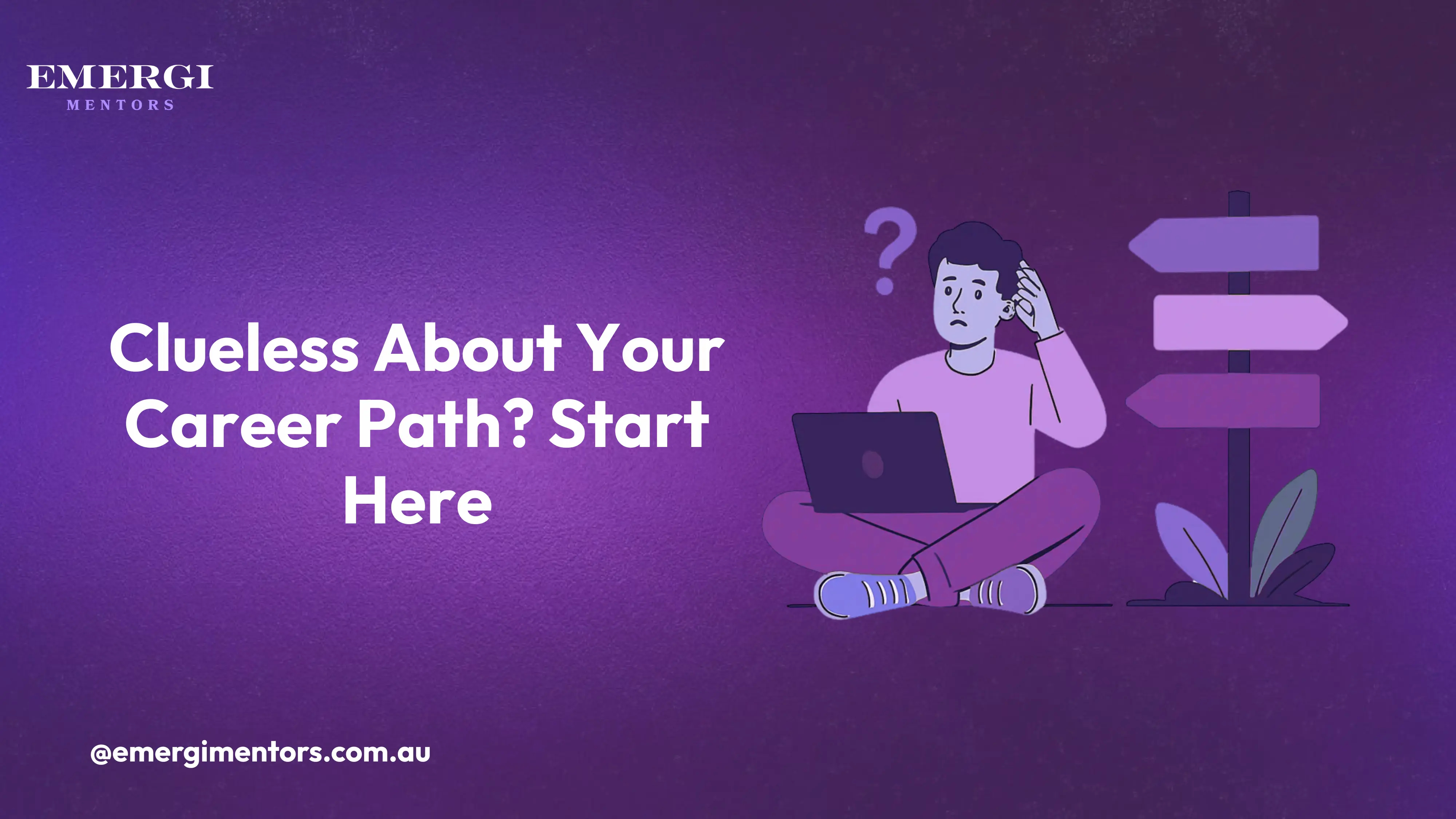
You've just graduated. Or maybe you're five years into a job that no longer excites you. Perhaps you're returning to work after a career break. Regardless of your situation, one question haunts: "What's next for my career?"
Without a clear personal career roadmap, this question can feel overwhelming. According to a LinkedIn survey, 41% of professionals feel they lack clear direction in their careers, with many simply reacting to opportunities rather than strategically pursuing them. The good news? Building an effective career roadmap isn't as complicated as it might seem.
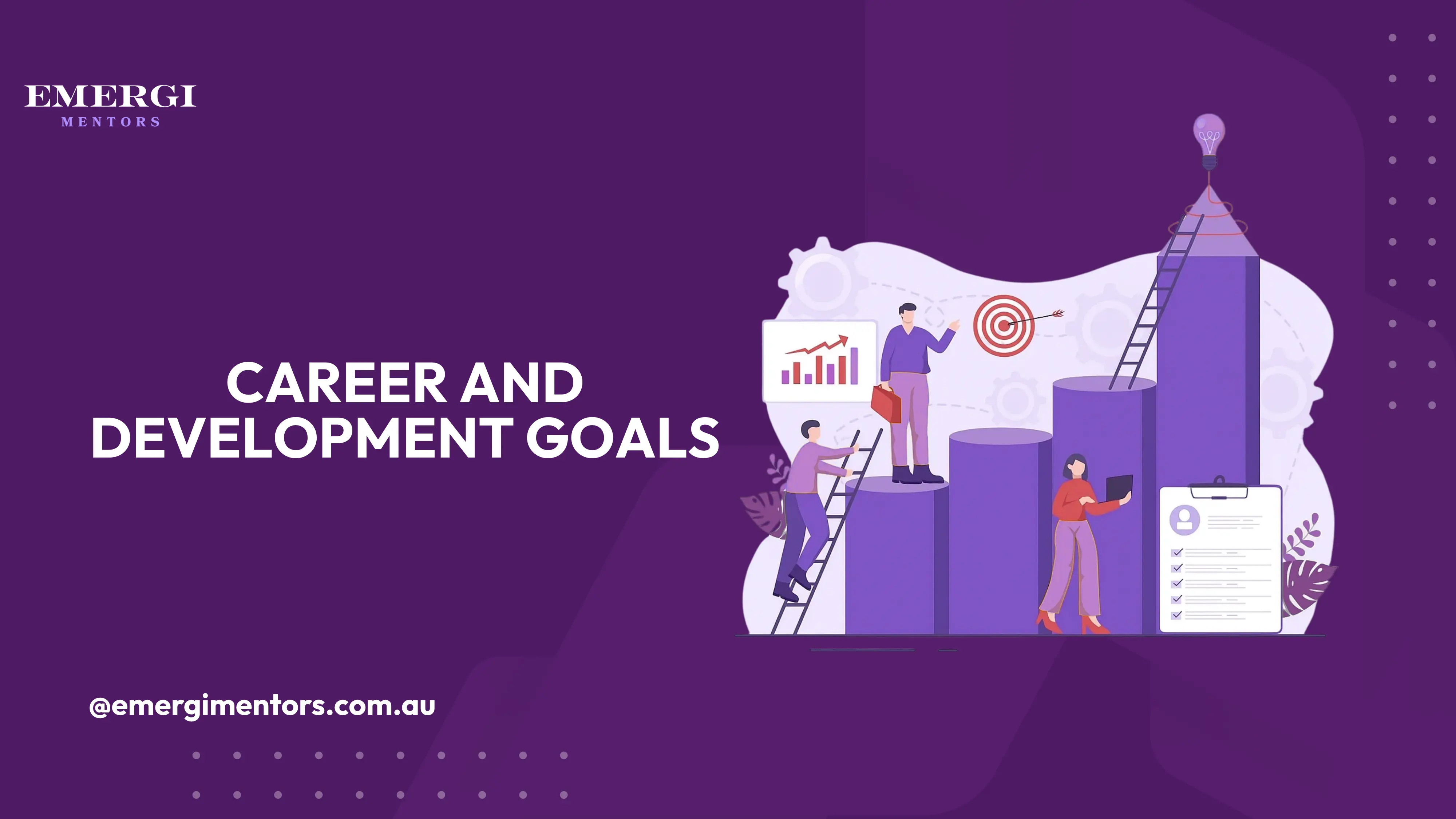
This guide will walk you through creating a comprehensive career plan that aligns with your values, highlights your strengths, and leads to satisfying professional growth.
Understanding Your Starting Point
Every exciting journey begins with knowing exactly where you stand. Before plotting your destination, take stock of your current position:
Self-Assessment
Start by conducting a thorough self-assessment and knowing your skills, values, and interests.
Skills inventory: List both technical and soft skills you've developed
Values clarification: Identify what matters most to you in work (autonomy, creativity, stability, etc.)
Interest exploration: Note what tasks make you excited rather than drain you
Tools like the Holland Code assessment or the VIA Character Strengths survey can provide structured frameworks for this self-discovery process.
Defining Your Career Destination
With clarity about your starting point, it's time to look ahead:
Research Potential Paths
Investigate careers that align with your skills, values, and interests. Resources include:
Industry publications and reports
Informational interviews with professionals
Career outlook data from the Bureau of Labor Statistics
Professional association websites
Set SMART Career Goals
Transform your research into specific objectives using the SMART framework:
Specific: "Become a UX designer" rather than "work in tech."
Measurable: Identify actual metrics for success
Achievable: Ensure goals are realistic given your circumstances
Relevant: Align with your values and long-term vision
Time-bound: Set deadlines for each milestone
Mapping the Journey
Now for the roadmap itself, connect your current position to your destination:
Break Down the Path
Divide your journey into strategic phases:
Short-term (3-12 months): Immediate steps like skill development or networking
Mid-term (1-3 years): Transitional roles or educational achievements
Long-term (3+ years): Major career milestones and position targets
"The most common mistake I see is trying to jump straight to the end goal. Success comes from identifying the stepping stones that bridge where you are to where you want to be." Emergi Mentors' top career mentor.
Create Realistic Timelines
Attach specific dates to your milestones, accounting for learning curves for new skills, application processes for education or certifications, industry hiring cycles, and personal life considerations.
Identifying Required Resources
Every journey requires proper equipment:
Skills Gap Analysis
Compare your current skills with those required for your target role. Prioritize developing:
Technical skills specific to your field
Transferable skills valuable across industries
Soft skills for advancement and leadership
Educational Planning
Research formal and informal learning opportunities.
Degree programs vs. certifications
Online courses and bootcamps
On-the-job training possibilities
Mentorship benefits for guided learning
Network Development
Build connections by mapping relationships across your industry, professional groups, alumni networks, and online communities.
Preparing for Obstacles
Career paths rarely follow a straight line. Anticipate these challenges:
Common Roadblocks
Prepare strategies for overcoming these common roadblocks:
Skill gaps
Market downturns
Changing industry requirements
Personal circumstances
Developing Resilience
Build your capacity to adapt through:
Continuous learning mindset
Diverse skill development
Maintaining an emergency fund
Creating contingency career plans
Accelerating Your Journey Through Mentorship
While self-guided planning is valuable, finding the ideal career mentor can dramatically accelerate your progress:
Why Mentorship Matters
Career mentors provide:
Industry-specific insights not found in general resources
Personalized feedback on your roadmap and approach
Accountability for following through on plans
Access to opportunities through their networks
According to research, professionals who engage in mentoring relationships are promoted five times more often than those who don't.
Making the Most of Mentorship
To maximize mentorship benefits, follow these steps:
Come prepared with essential questions to ask your mentor
Be open to constructive feedback
Follow through on action items
Respect your mentor's time and expertise
Taking Action on Your Career Roadmap
The difference between a dream and a plan is action. To implement your roadmap:
Document your plan using a template, app, or simple document
Schedule regular reviews to assess progress and make adjustments
Share your goals with trusted colleagues, friends, or mentors for accountability
Celebrate small wins to maintain motivation
Your career roadmap isn't set in stone; it's a living document that will evolve as you grow professionally and as industries change. The key is starting with a clear framework that can adapt as needed.
Ready to Fast-Track Your Career Journey?
Building a career roadmap from scratch requires self-awareness, research, and strategic planning. While this guide provides a framework, navigating career transitions and development is often easier and more effective with personalized guidance.
At Emergi Mentors, we connect professionals with experienced mentors who've gone through similar career paths successfully. Our mentors provide invaluable insights, accountability, and connections that can help you achieve your career goals more efficiently.
Ready to transform your career roadmap from theory to reality? Book a session with an Emergi Mentors career specialist today and take the first step toward your professional destination.