How to Avoid Poor Leadership Qualities?

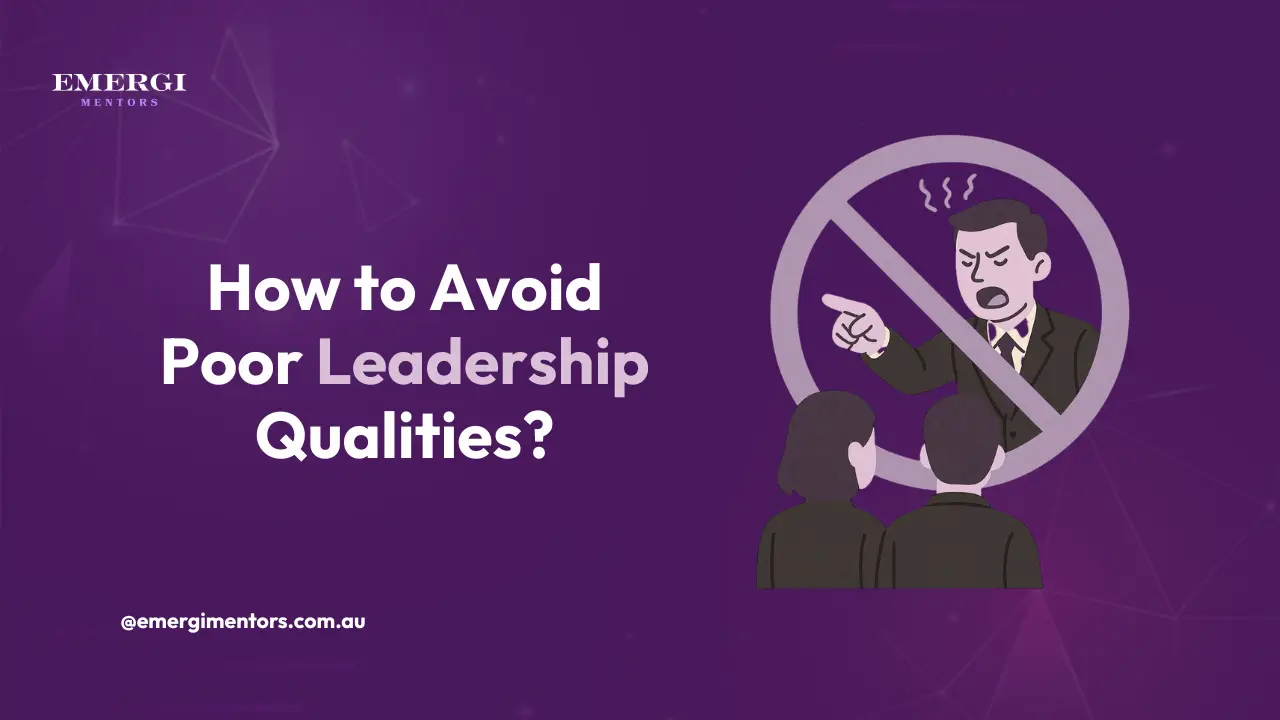
No one intends to be a bad leader. Yet many find themselves in leadership roles without the self-awareness or support to lead effectively. Whether you’re managing a team of three or thirty, knowing how to avoid poor leadership qualities is essential to building trust, retaining talent, and achieving long-term success.
But what exactly makes a leader “poor,” and how can you ensure you're not developing those same habits?
What Makes Leadership Go Wrong?
Leadership isn’t just about authority; it’s about influence, responsibility, and emotional intelligence. Poor leadership can show up in subtle ways. A poor leader dismisses team feedback, makes decisions without clarity, or leads through fear rather than support.
In high-pressure conditions, even good people can develop bad habits. Maybe when deadlines get tight or superiors add pressure. The shift is gradual until you notice a disengaged team, rising turnover, or low morale.
Recognizing these patterns early is the first step to becoming the kind of leader people want to follow.
The Hidden Cost of Poor Leadership Qualities
The impact of poor leadership isn’t just cultural, it’s measurable. According to a Gallup study, managers account for at least 70% of variance in employee engagement. In other words, most employees don’t leave jobs; they leave managers. A leader’s behavior ripples through performance, well-being, and retention.
When leaders micromanage, avoid feedback, or create a culture of fear, the team suffers, and so does the business. On the flip side, teams led by emotionally intelligent, self-aware leaders are more motivated, innovative, and productive.
So how do you ensure you're not falling into poor leadership patterns?
Reflecting and Rebuilding
Improving your leadership begins with self-reflection. Ask yourself:
Do I listen more than I speak?
How do I handle criticism or failure?
Do my team members feel safe bringing concerns to me?
These aren't simple questions, but they're the right ones. Leadership is a skill, not a personality trait. It can be learned, unlearned, and refined.
If you’re unsure where you stand, consider seeking outside feedback or even working with a mentor. At Emergi Mentors, we help leaders and aspiring managers identify blind spots, build people-first skills, and grow with intention. Many of our mentors are former team leads, product managers, and startup founders. They’ve made the mistakes and learned how to lead better.
Moving From Poor Leadership Habits to Strong Foundations
While the traits of poor leadership vary, they often share common roots: insecurity, ego, or lack of support. Reversing those traits takes practice and guidance.
Rather than defaulting to control or silence when things get tough, strong leaders turn to clarity, communication, and coaching. They recognise that leadership is less about being the smartest person in the room and more about creating a safe space for others to thrive.
If you wish to explore this shift further, this Harvard Business Review article on the signs of ineffective leadership breaks down what poor leadership looks like in action and why self-awareness is your best tool for change.
Final Thoughts: Leadership Is a Constant Practice
Avoiding poor leadership qualities doesn’t mean being perfect; it means being willing to grow. It means listening when it’s uncomfortable, owning your impact, and leading with empathy rather than ego.
Whether you're new to leadership or looking to rebuild trust after a rough patch, support makes the difference.
At Emergi Mentors, we match professionals like you with experienced mentors who’ve led teams, built culture, and made leadership mistakes but learned how to recover from them. You don’t have to lead alone.
Book a session with a leadership mentor today and take the first step towards the kind of leader you want to be.