Startup vs. Bootstrap: Which Path Builds the Strongest Business?

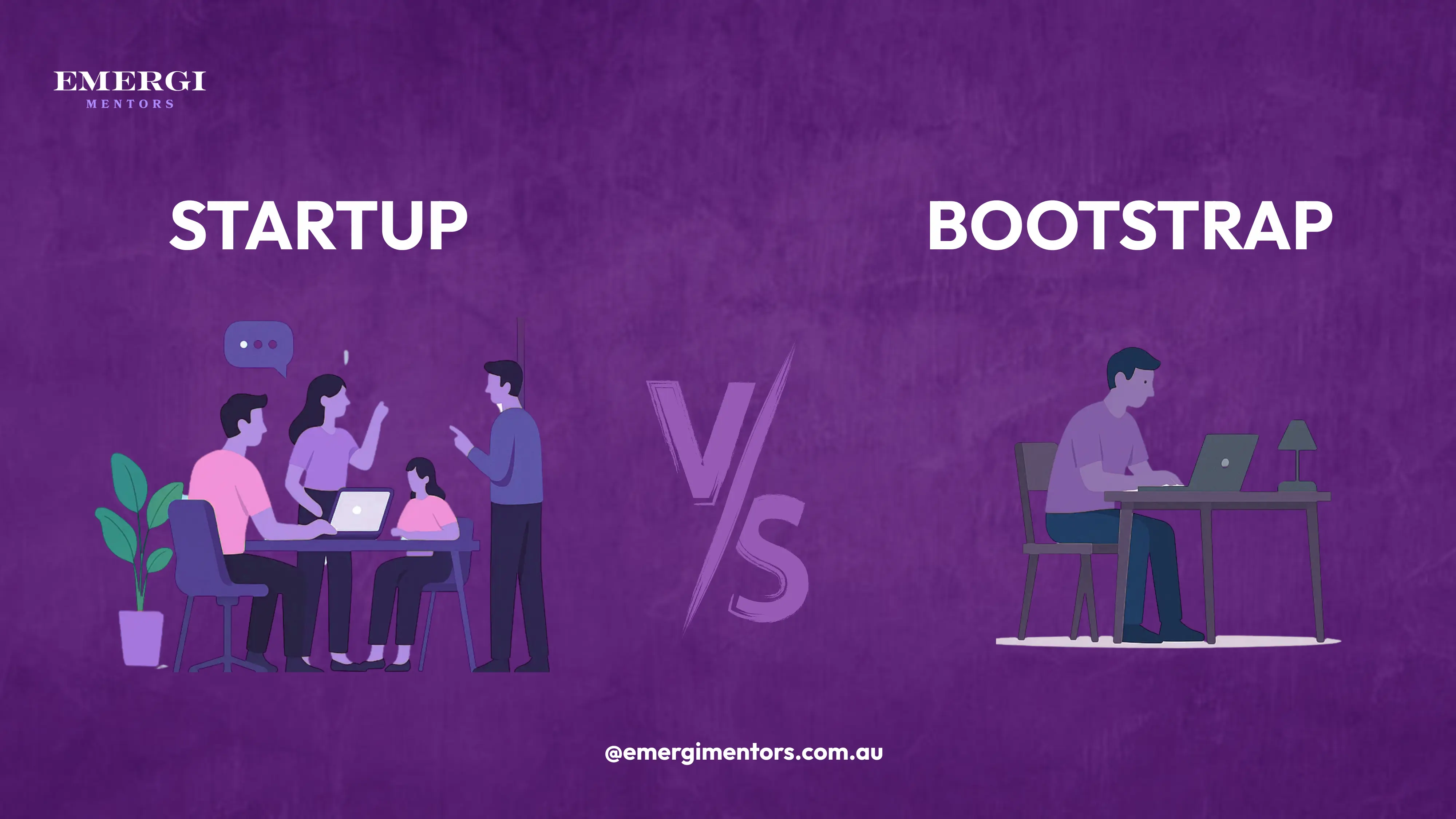
So, you’ve got an idea, a vision, maybe even a co-founder. Now comes the tough part: how do you build the business? One of the most debated early decisions is this: What should you build? A startup, bootstrap your way up, or even consider a bootcamp vs. startup model to skill up before launching? The path you choose can shape everything, from how fast you grow to how much control you keep.
They sound similar; both involve launching a business. But the mindset, resources, and risks involved are worlds apart. And choosing the wrong path too early can either stall your idea or burn it out fast.
In this guide, we’ll explore the key differences between startup vs. bootstrap, weigh their pros and cons, and help you understand which route might suit your goals.
What Does ‘Startup’ Really Mean?
A startup isn’t just any new business. It typically refers to a scalable, fast-growth company, often built to attract external funding and disrupt a market. Startups are usually powered by venture capital, angel investment, or accelerator programs.
Think of companies like Canva or Atlassian in their early days. They raised capital, hired quickly, and focused on growth over profit in the short term.

What Does Bootstrapping Look Like?
Bootstrapping means building a business using your savings, revenue, and resourcefulness. You grow at your pace, often slower but with total control.
Bootstrapping is the garage-stage business cliché, but it’s also a legitimate and often underestimated path. Many successful companies, including Mailchimp and Basecamp, were bootstrapped for years before scaling.

Startup vs. Bootstrap: Key Differences
While both models aim to solve problems and deliver value, they differ in priorities.
The Wow Factor: It’s Not One vs. The Other
Here’s where most guides miss the nuance. You don’t have to choose one forever. Many of today’s biggest names started bootstrapped and then became startups. For example, Zapier bootstrapped for years before raising outside capital. This hybrid approach gave them leverage when they finally negotiated funding.
So instead of thinking of “startup vs. bootstrap” as a binary decision, consider: Can I bootstrap until I validate my idea, then scale with funding when it’s truly needed?
This thinking makes your journey more resilient. You avoid raising money too early (and losing equity), but you also keep the door open for growth when the timing is right.
Mentorship Insight: What Seasoned Founders Recommend
Building a business is never just a financial decision. It’s a personal one. That’s why mentorship is so valuable at this stage.
At Emergi Mentors, founders often share:
Bootstrapping forces clarity. You can’t afford fluff, so you focus only on what customers care about.
Funding accelerates pressure. When VCs invest, expectations rise fast. Make sure your systems and team are ready.
Hybrid models work best. Validate first. Raise it later, when you can negotiate from strength.
If you’re uncertain, a mentor can help in your tech startup and in bootstrapping. Mentors will help you in preparing pitch decks, finding no-code MVP shortcuts, and validating revenue models.
Still Deciding Between Startup vs. Bootstrap?
Here’s the bottom line:
If you’re aiming for high-speed growth in a competitive market, a startup approach might be ideal, but it comes with pressure and dilution.
If you want more control and flexibility and can grow from early customer revenue, bootstrapping might be your edge.
Not sure where to start? Don’t waste months figuring it out alone.
Book a 1:1 session with a startup mentor at Emergi Mentors. Whether you're refining a pitch or validating a bootstrapped MVP, you’ll gain insights that save you time, money, and frustration.
Let’s help you build the business you believe in on your terms.