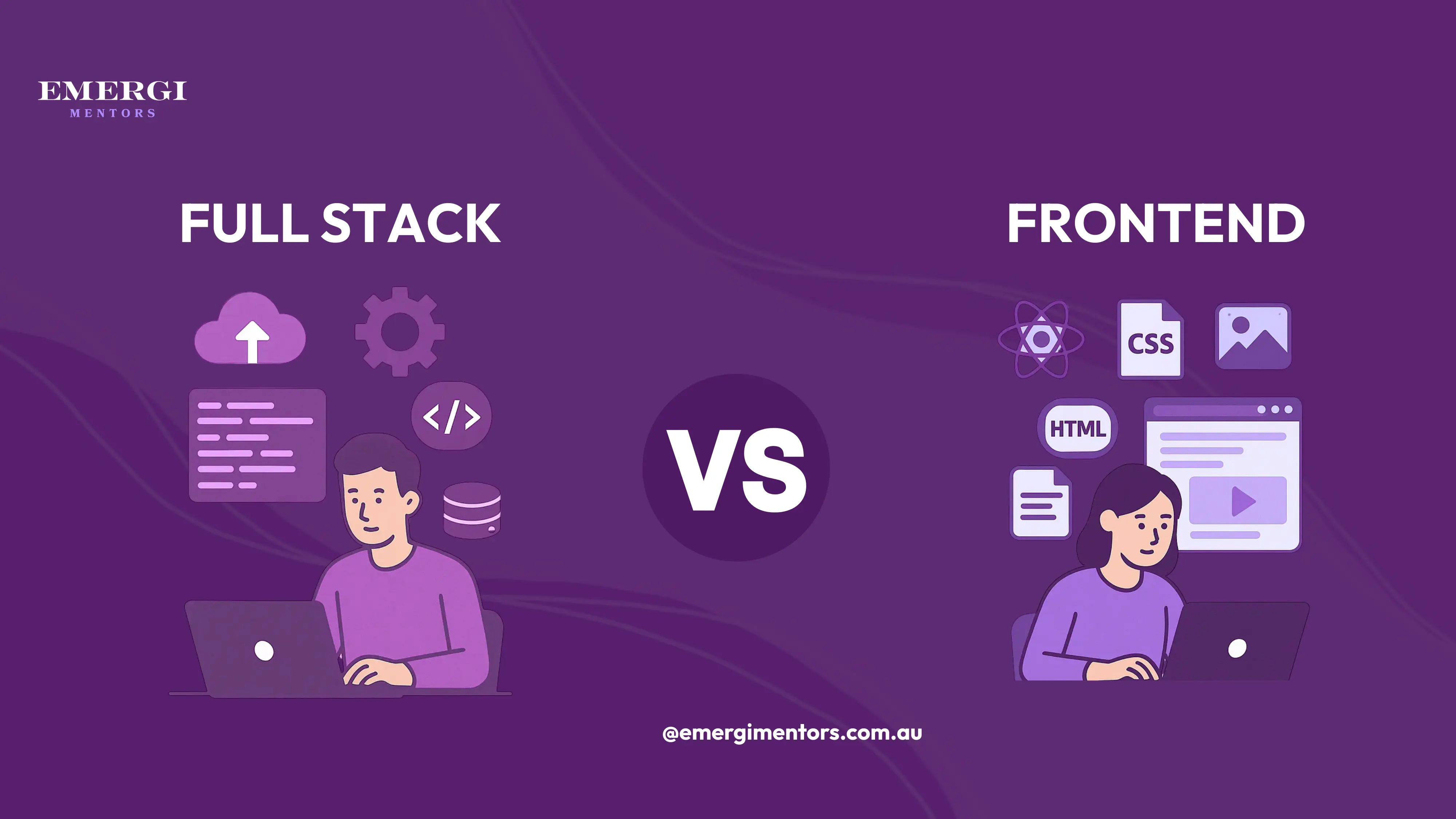
Backend vs Frontend vs Full-Stack: Learn these Developer Paths

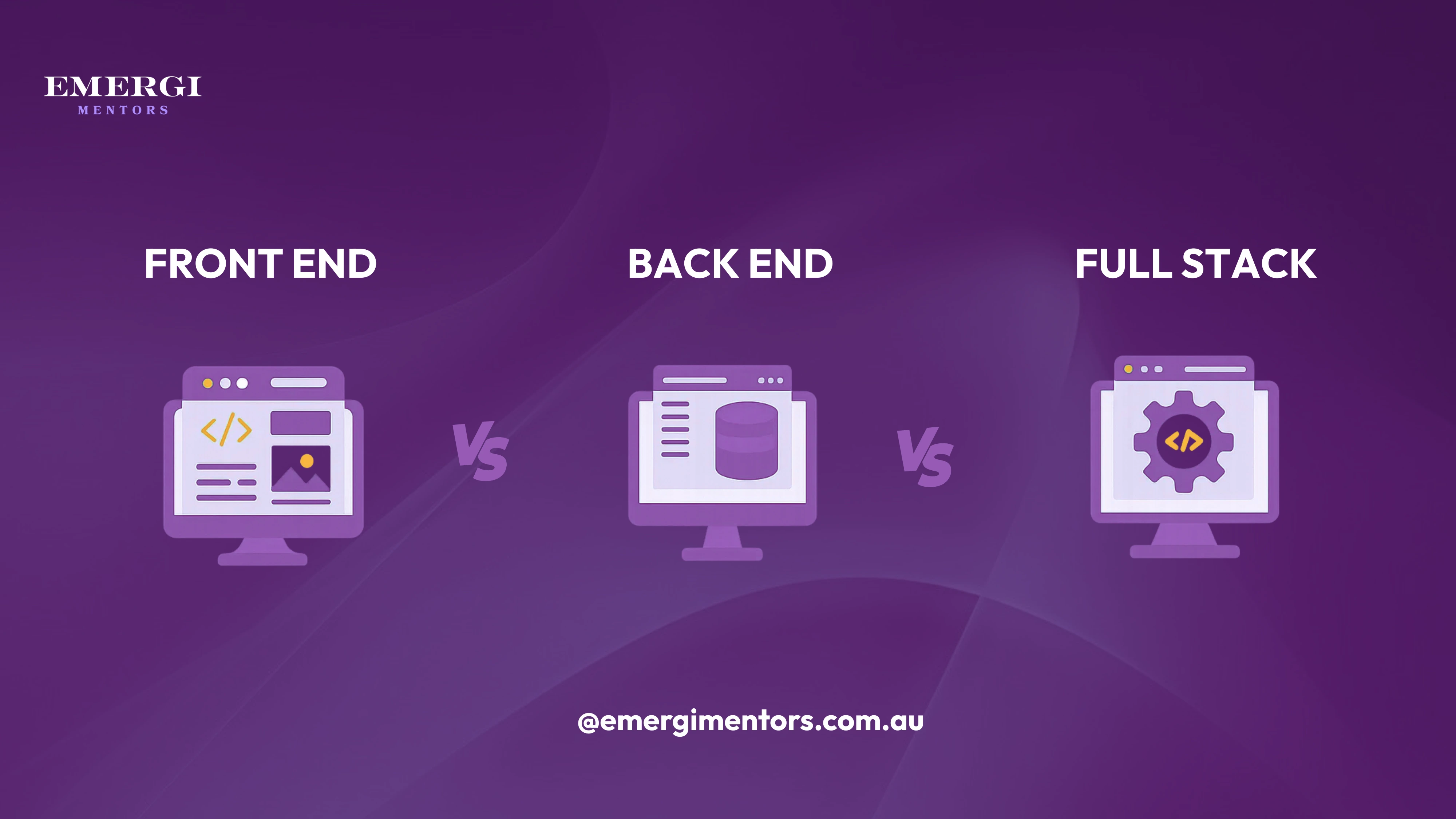
If you're exploring a career in web development, you've likely come across three common roles: backend, frontend, and full-stack. But what exactly do these roles involve, how do they differ, and which one is right for you? Whether you're a beginner or planning a career shift, understanding the difference between backend vs frontend vs full-stack development is the first step towards a confident career decision.
Need help figuring out which role matches your strengths? Book a free call with an expert mentor at Emergi Mentors to get personalised career guidance in tech.
What is Frontend Development?
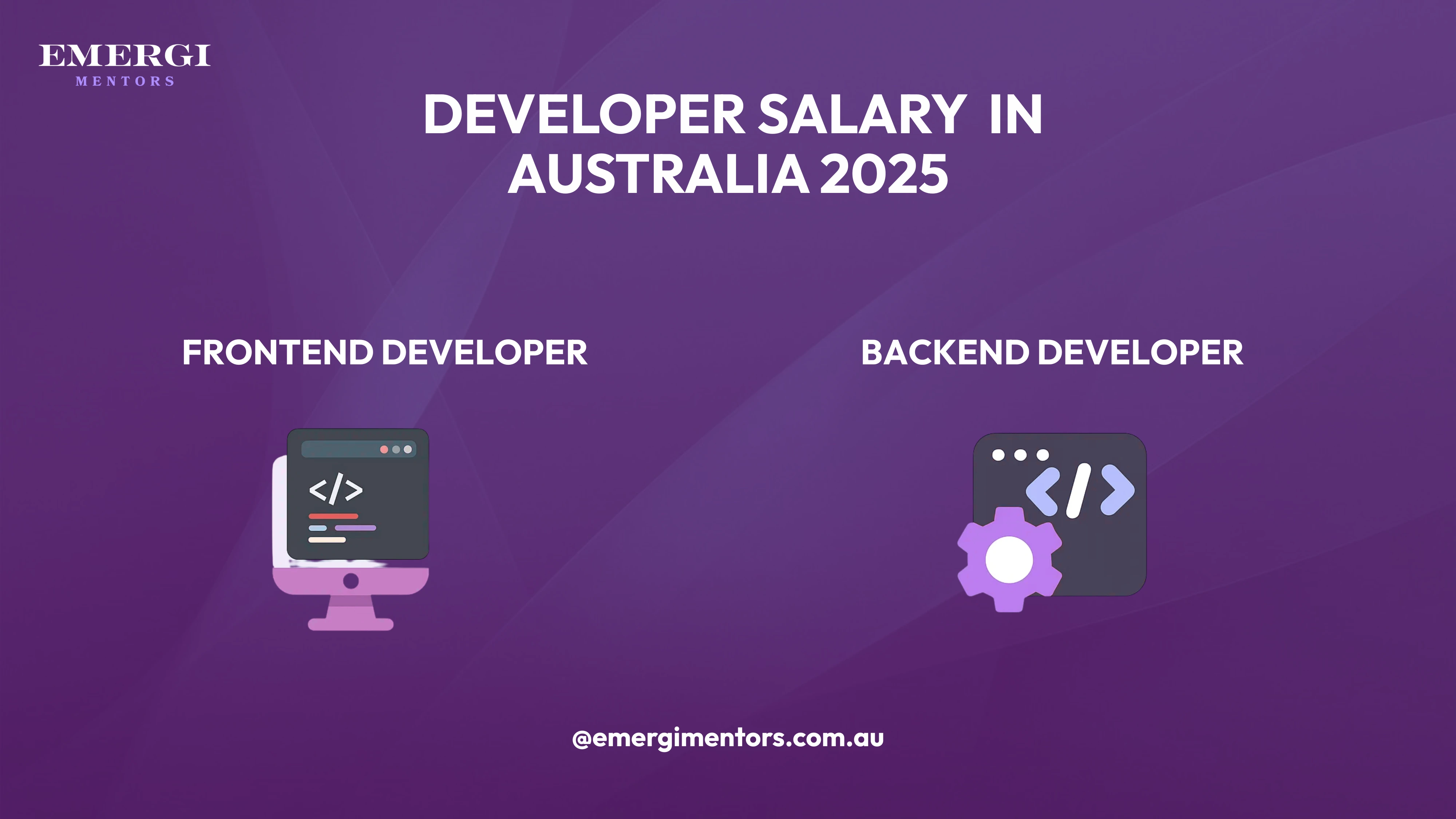
Frontend development is all about what users see and interact with. Think of websites, buttons, layouts, colors, fonts, animations—everything visual. A frontend developer works on the client-side of applications using languages like:
HTML (structure)
CSS (styling)
JavaScript (interactivity)
Frameworks and libraries like React, Vue, or Angular are also widely used.
Key Responsibilities:
Translating UI/UX designs into code
Optimising pages for performance and accessibility
Ensuring cross-browser and mobile responsiveness
Ideal for:
Creative individuals who enjoy design, interactivity, and real-time user feedback.
What is Backend Development?
Backend development handles everything users don’t see: the server-side logic, databases, and APIs that power the frontend experience.
Backend developers often use languages like
Python, Java, Node.js, Ruby
Work with databases like MySQL, MongoDB, or PostgreSQL
Key Responsibilities:
Building APIs and microservices
Managing servers and databases
Ensuring security, scalability, and application logic
Ideal for:
Problem-solvers who enjoy working with data, architecture, and performance behind the scenes.
What is Full-Stack Development?
A full-stack developer works on both frontend and backend, making them highly versatile.
They understand the complete flow of an application, from the database to the browser. This doesn't mean mastering everything, but being competent enough to build end-to-end features independently.
Key Responsibilities:
Building and maintaining both UI and server-side logic
Collaborating across teams and managing the entire dev lifecycle
Debugging and deploying full applications
Ideal for:
Generalists who enjoy variety and want to work on all parts of the software stack.
Backend vs Frontend vs Full-Stack: Key Differences at a Glance
Which One Should You Choose?
Choose frontend if you enjoy design, visuals, and user interactions.
Choose backend if you love solving logic problems and working with data or APIs.
Choose full-stack if you're aiming for flexibility or want to work in startups and smaller teams where generalists thrive.
Your choice may also depend on current job market trends, your existing skills, and long-term career goals.
Career Tip: You Don’t Have to Pick Just One
Many developers start in one area and gradually expand into others. For instance, many frontend developers learn backend skills over time and become full-stack. The key is to start somewhere, stay consistent, and adapt as your interests evolve.
Want 1:1 support to figure out which path fits your background, your strengths, or job market goals? Join Emergi Mentors and get matched with a tech expert who can help you build a roadmap and avoid beginner mistakes.