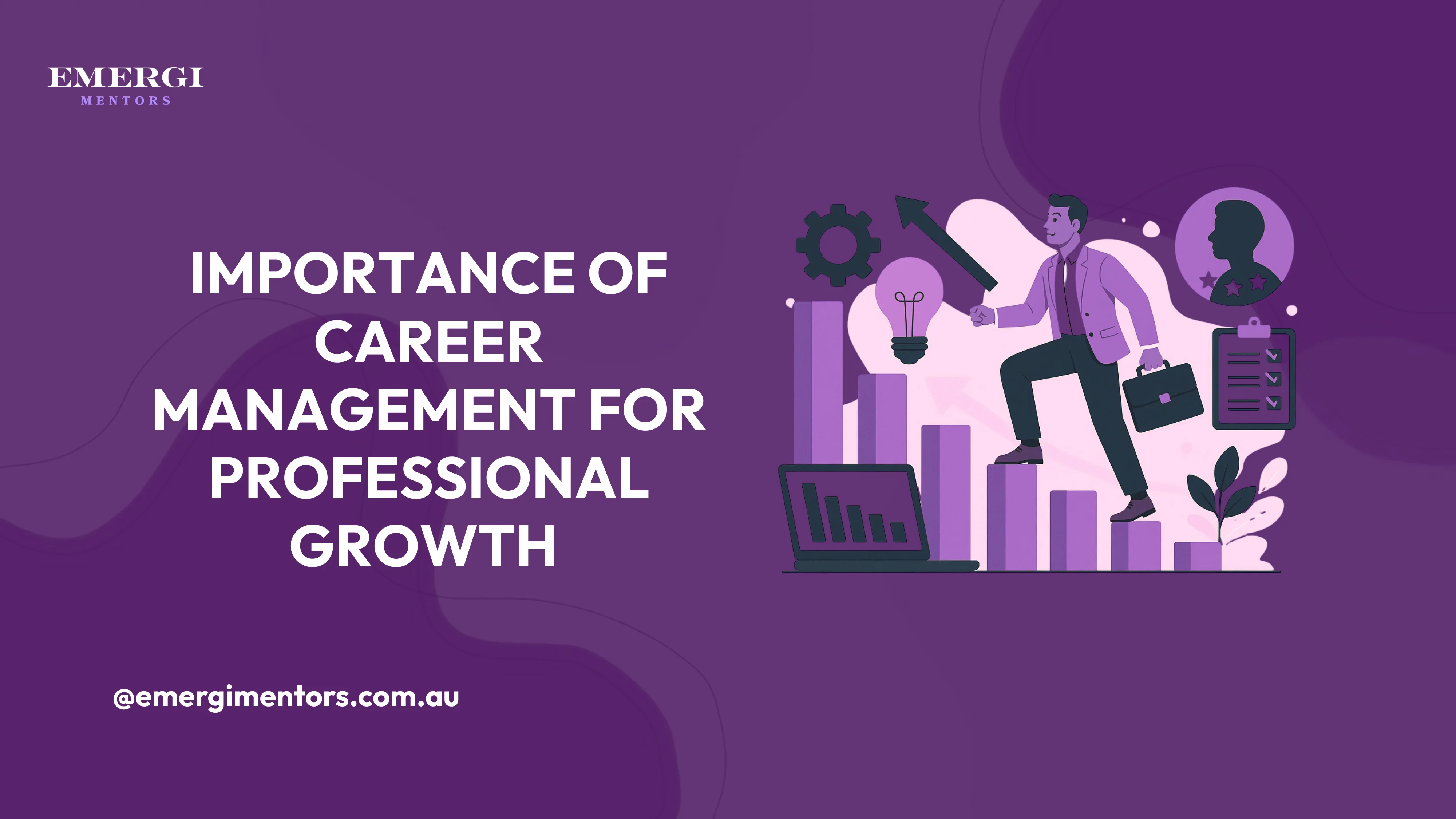
Importance of Career Management for Professional Growth in 2026
Picture this: Two equally talented professionals start their careers at the same company on the same day. Fast-forward five years: one has been promoted twice, expanded their skill set significantly, and built a robust professional network. The other remains in a similar role, frustrated by limited growth opportunities. The difference? One understood the importance of career management from day one.
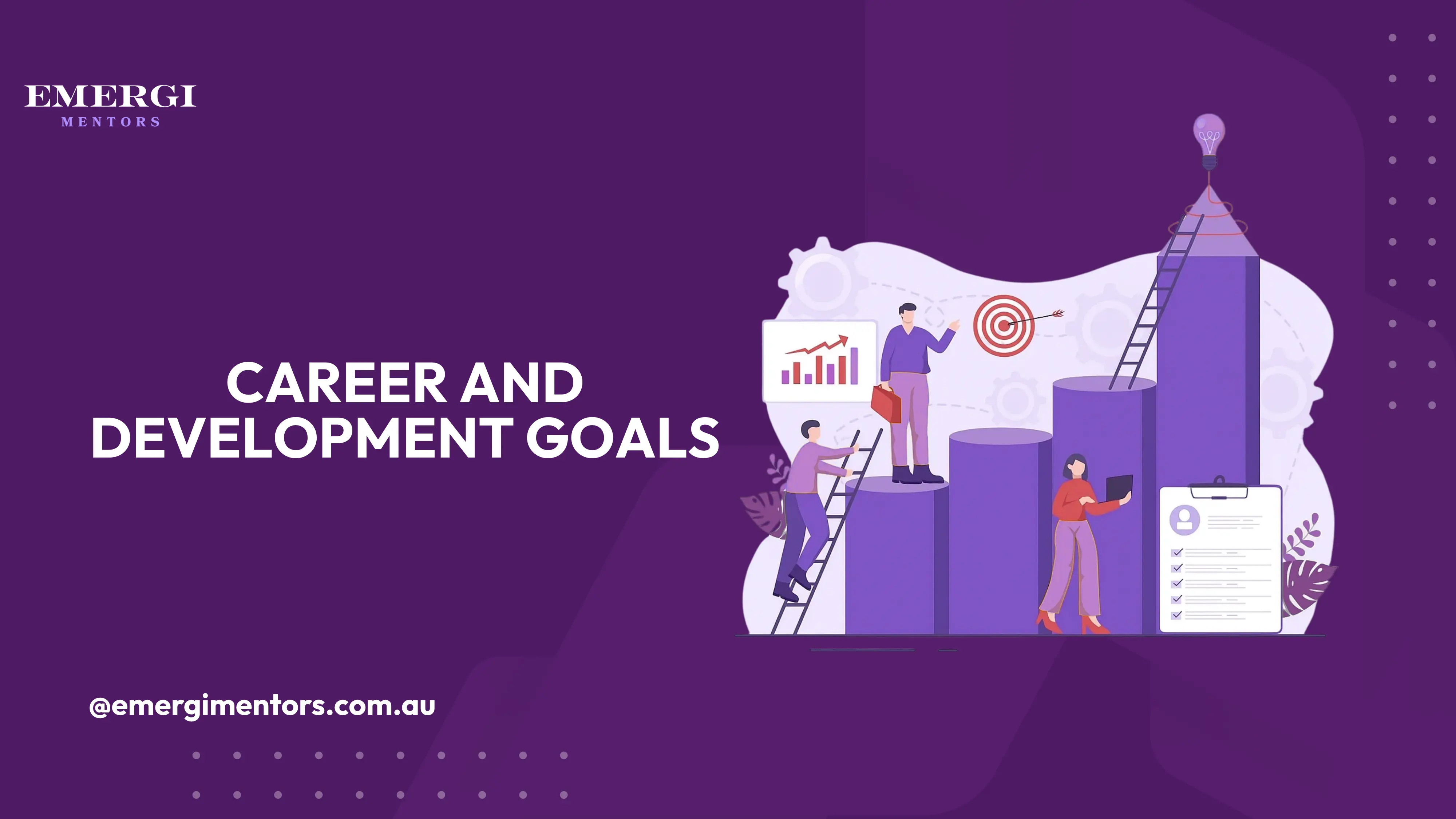
Career management is not just about climbing the corporate ladder anymore. In today's rapidly evolving job market, it's about taking intentional control of your professional journey, continuously developing your skills, and positioning yourself for opportunities that align with your values and aspirations.
Understanding the True Importance of Career Management
The importance of career management extends far beyond simply securing your next promotion. It's about creating a sustainable, fulfilling professional life that adapts to changing industries, personal circumstances, and economic conditions. Without deliberate career planning, you're essentially letting external forces dictate your professional destiny.
Research consistently shows that professionals who actively manage their careers earn more over their lifetime compared to those who take a passive approach. But financial benefits are just the beginning; research shows career management leads to higher job satisfaction, better work-life balance, and increased professional confidence.
In Australia's competitive job market, where the average person changes careers multiple times, understanding the importance of career management becomes even more critical. Industries are transforming rapidly due to technology, and the skills that made you valuable five years ago might not guarantee future success.
The Strategic Framework: Why Career Management Matters More Than Ever
The importance of career management becomes crystal clear when you consider the modern workplace reality. According to the Australian Bureau of Statistics, the average Australian changes jobs every 3.3 years. This frequency makes strategic career planning essential rather than optional.
Career management involves several interconnected elements: skill development, network building, personal branding, goal setting, and market awareness. Each component works together to create a comprehensive strategy that positions you for success regardless of external circumstances.
Skill Development: Regularly assessing and upgrading your capabilities ensures you remain competitive and valuable in your field. This might involve formal education, professional certifications, or learning emerging technologies relevant to your industry.
Network Building: Your professional network often determines which opportunities become available to you. Career management includes intentionally cultivating relationships across your industry and beyond.
The Cost of Ignoring Career Management
Many professionals underestimate the importance of career management until they face unexpected challenges, redundancy, industry disruption, or personal circumstances requiring career changes. Without a strategic approach, these situations become crises rather than manageable transitions.
Consider the professionals who found themselves unprepared when COVID-19 transformed entire industries overnight. Those who had invested in career management – building diverse skill sets, maintaining strong networks, and staying aware of market trends – adapted more quickly and successfully than those who hadn't.
Consider these professional networking websites in Australia.
The Opportunity Cost: Every day you delay strategic career planning is a day of missed opportunities. While you're staying comfortable in your current role, others are building skills, expanding networks, and positioning themselves for advancement.
Ready to take control of your professional future?
Emergi Mentors connect you with experienced career mentors who can help you develop a personalized career management plan, that accelerates your growth and opens new opportunities.
Building Your Career Management System
Understanding the importance of career management is just the first step; implementation is where transformation happens. Start by conducting a comprehensive career audit: assess your current skills, identify market demands in your field, and clarify your professional values and goals.
Create a personal development plan that includes both short-term tactical goals (learning new software, completing a certification) and long-term strategic objectives (transitioning to leadership, entering a new industry). This plan should be reviewed and updated quarterly to remain relevant.
Goal Setting Framework: Use the SMART criteria (Specific, Measurable, Achievable, Relevant, Time-bound) for your career objectives. Instead of "I want to be promoted," aim for "I will secure a senior analyst position within 18 months by completing advanced Excel certification and leading two cross-functional projects."
Market Intelligence: Stay informed about trends in your industry through professional publications, industry events, and LinkedIn discussions. Marketing intelligence helps you anticipate changes and position yourself accordingly.
Career Management Across Different Life Stages
The importance of career management varies but remains constant throughout your professional life. Early-career professionals should focus on skill building and exploring different paths. Mid-career professionals often need to balance advancement with personal responsibilities while considering specialisation or leadership tracks.
Later-career professionals might focus on legacy building, mentoring, or transitioning to consulting roles. Each stage requires different strategies, but the underlying principle remains: intentional planning leads to better outcomes than reactive responses.
Continuous Learning: Make learning a non-negotiable part of your routine. Whether it's reading industry publications during your commute, attending webinars, or pursuing formal qualifications, continuous skill development is fundamental to effective career management.
Measuring Your Career Management Success
Effective career management requires regular evaluation and adjustment. Set specific metrics for your career progress: salary growth, skill acquisition, network expansion, and job satisfaction levels. You should review these metrics quarterly and adjust your strategy based on results.
Track both quantitative measures (promotions, salary increases, certifications earned) and qualitative indicators (job satisfaction, work-life balance, sense of purpose). This comprehensive approach ensures your career management efforts align with your overall life goals.
Portfolio Approach: Think of your career like an investment portfolio – diversify your skills, experiences, and network connections to reduce risk and increase opportunities. This approach embodies the true importance of career management in today's uncertain business environment.
Your Career Management Action Plan
The importance of career management becomes most apparent when you start taking concrete action. Begin this week by scheduling time for career planning activities. Even 30 minutes weekly dedicated to career development can yield significant long-term results.
Start networking intentionally; reach out to one new professional contact each week. Update your LinkedIn profile and resume quarterly, even when you're not actively job searching. This keeps your professional brand current and helps you articulate your value proposition clearly.
Transform your career trajectory today. Emergi Mentors offers comprehensive career guidance, helping professionals at all levels develop strategic plans. You can build essential skills and accelerate your professional growth through personalised mentorship.
Embracing Your Professional Future
The importance of career management cannot be overstated in today's dynamic professional landscape. Those who embrace strategic career planning position themselves not just for immediate success but for long-term professional fulfillment and resilience.
Your career is your most significant long-term project. It deserves the same strategic attention you'd give to any major life investment. Start today, stay consistent, and watch as intentional career management transforms both your professional prospects and personal satisfaction.
Sign up to Emergi Mentors and take the first step to career growth today.