Team Player Interview Questions: Get Prepared With a Mentor

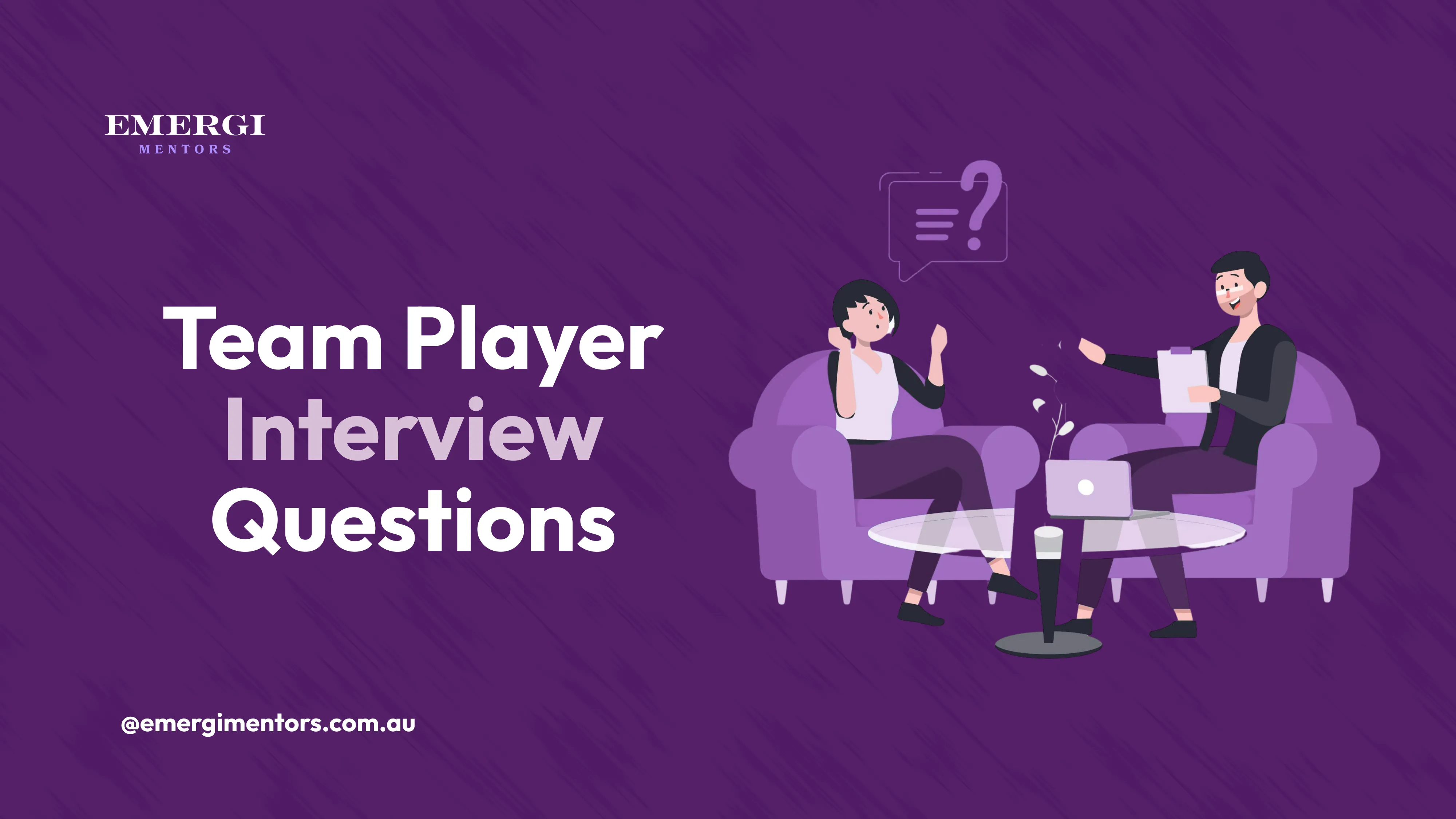
Whether you’re applying for your first job or stepping into a leadership role, there’s one question that commonly shows up in interviews: “Are you a team player?” This isn’t just about collaboration; rather, it’s a signal to employers that you can work well with others, navigate challenges, and contribute to a bigger goal.
In this blog, we’ll explore the most common team player interview questions, how to answer them effectively, and how a career mentor can help you prepare with real confidence.
Why Employers Ask Team Player Questions
Being a “team player” might sound like a cliché, but for recruiters, it’s a key trait. Whether you're in data analytics, design, finance, or software engineering, most roles require people who can collaborate, take feedback, support teammates, and align with company goals.
When hiring managers ask about teamwork, they want to assess
Your communication style
How you handle feedback and conflict
Your ability to collaborate without dominating
Whether you’re trustworthy and responsible within a team
That’s why you’ll often face team player interview questions that require more than just “Yes, I’m a team player.”
Common Team Player Interview Questions & What They Reveal
Here are some examples recruiters often use:
“Tell me about a time you worked within a team successfully.”
“Describe a situation where you helped a teammate overcome a challenge.”
“How do you handle conflict within a group?”
“What role do you normally play within your team?”
“Have you ever had to lead a team under pressure?”
These questions aren’t just about work history; they’re behavioural questions designed to understand your mindset, empathy, and effectiveness in group settings.
How to Answer Team Player Questions Effectively
The STAR method (Situation, Task, Action, Result) is your best friend here.
Let’s say the interviewer asks, “Describe a time you helped resolve a team conflict.”
You might answer:
“In my previous role, our project team had a conflict about timeline priorities (situation). As the data analyst, I was tasked with delivering insights, but developers needed more time for implementation (task). I initiated a meeting where we mapped dependencies and created a compromise by phasing out features (action). As a result, we met our MVP deadline and maintained team morale (result).”
This structure not only shows that you’re a team player, it proves it with action and impact.
Mistakes to Avoid When Answering
Here are a few common pitfalls:
Being too vague: Avoid saying “I’m just a team player” without examples.
Overstating your role: Be honest about how you supported the team, not just how you led.
Missing the result: Interviewers care about the outcome (what changed because of your teamwork?)
And avoid giving examples that suggest you work best alone unless you can show how you made that work within a team context.
How a Mentor Can Help You Practice and Improve
Here’s the thing: knowing how to answer is one thing, and delivering your answer with clarity and confidence is another.
A mentor can make all the difference here.
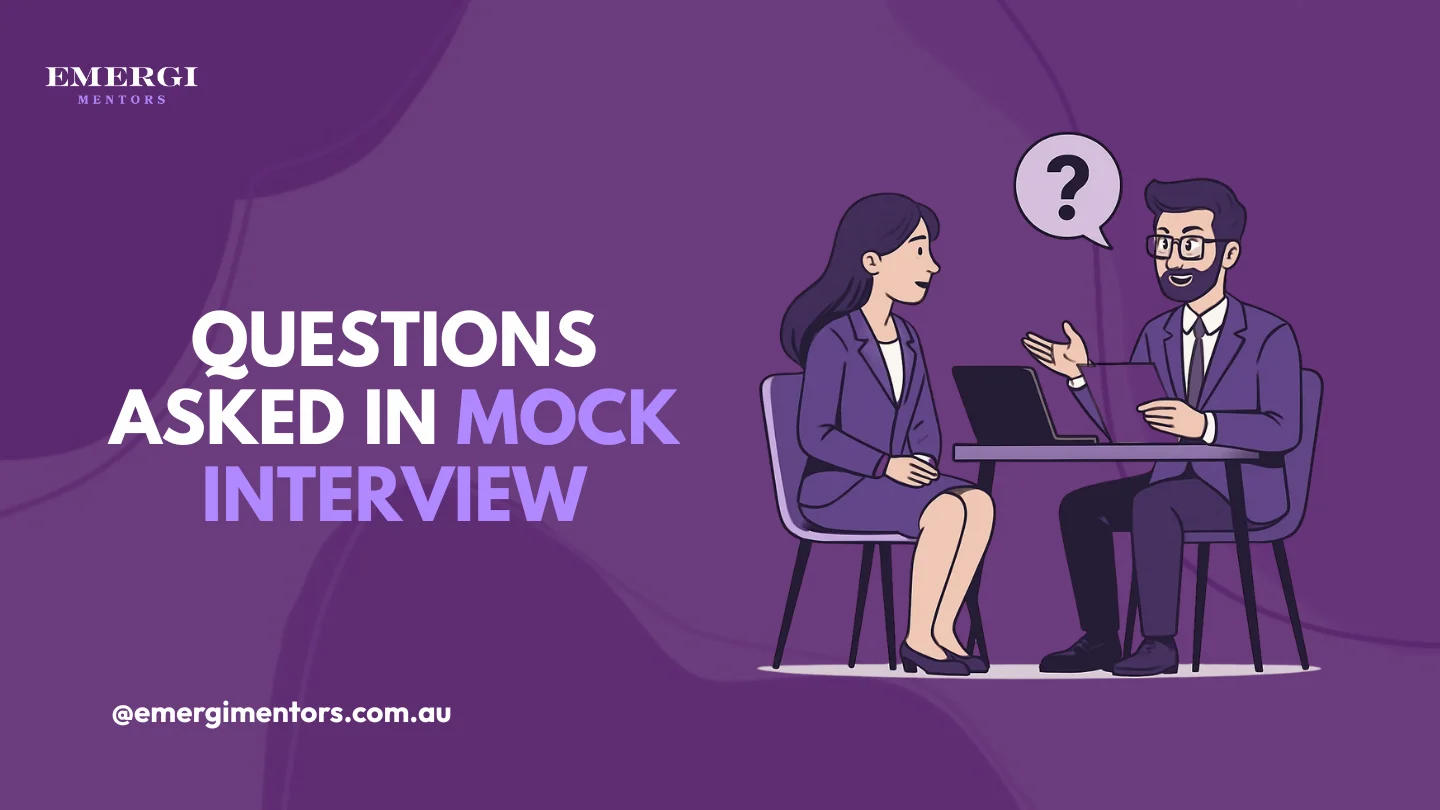
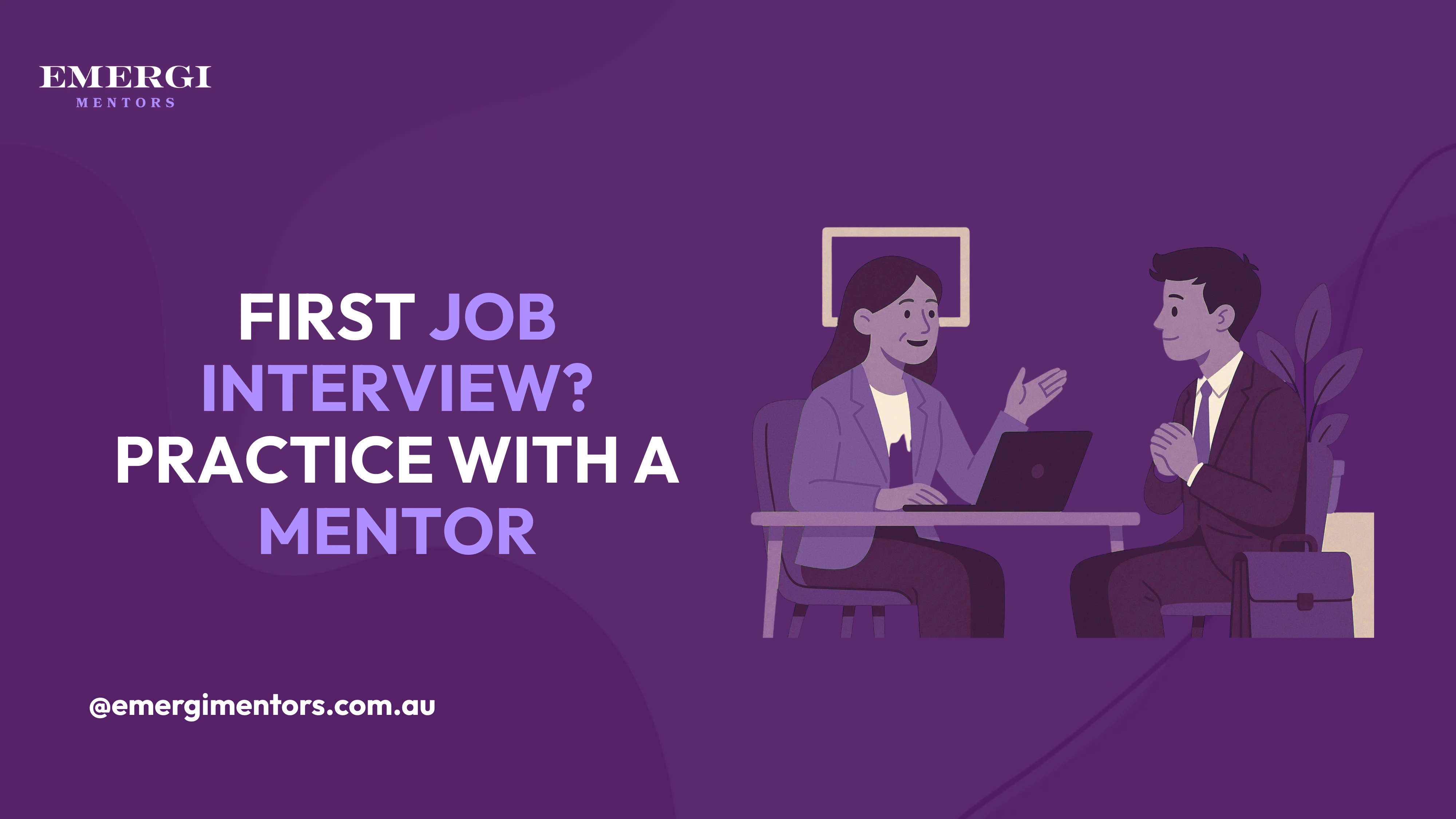
At Emergi Mentors, our experienced mentors offer one-on-one mock interviews. They’ll give you feedback on your teamwork examples, help refine your STAR stories, and suggest ways to connect your answers to the job description.
Even better, mentors can help you identify strengths you might be overlooking, because sometimes, you’re more of a team player than you think.
Emergi Mentors: Your Interview-Ready Partner
We know that interview prep can be overwhelming, especially when you’re not sure how to frame your experiences. That’s why Emergi Mentors connects you with industry experts who’ve been on both sides of the hiring table.
Whether you’re preparing for your first interview or making a career pivot, our mentors will guide you through common interview questions, including those tricky team player ones.
You can even get a free resume review to make sure your teamwork achievements are front and centre.
Ready to Nail Your Next Interview?
Don’t just hope you’ll answer the teamwork question well; practice with someone who knows what hiring managers are really looking for.
Book a 1:1 mock interview with a career mentor on Emergi Mentors, and walk into your next interview knowing exactly how to show you’re a true team player.