How to Introduce Yourself in an Interview: A Guide for Australians
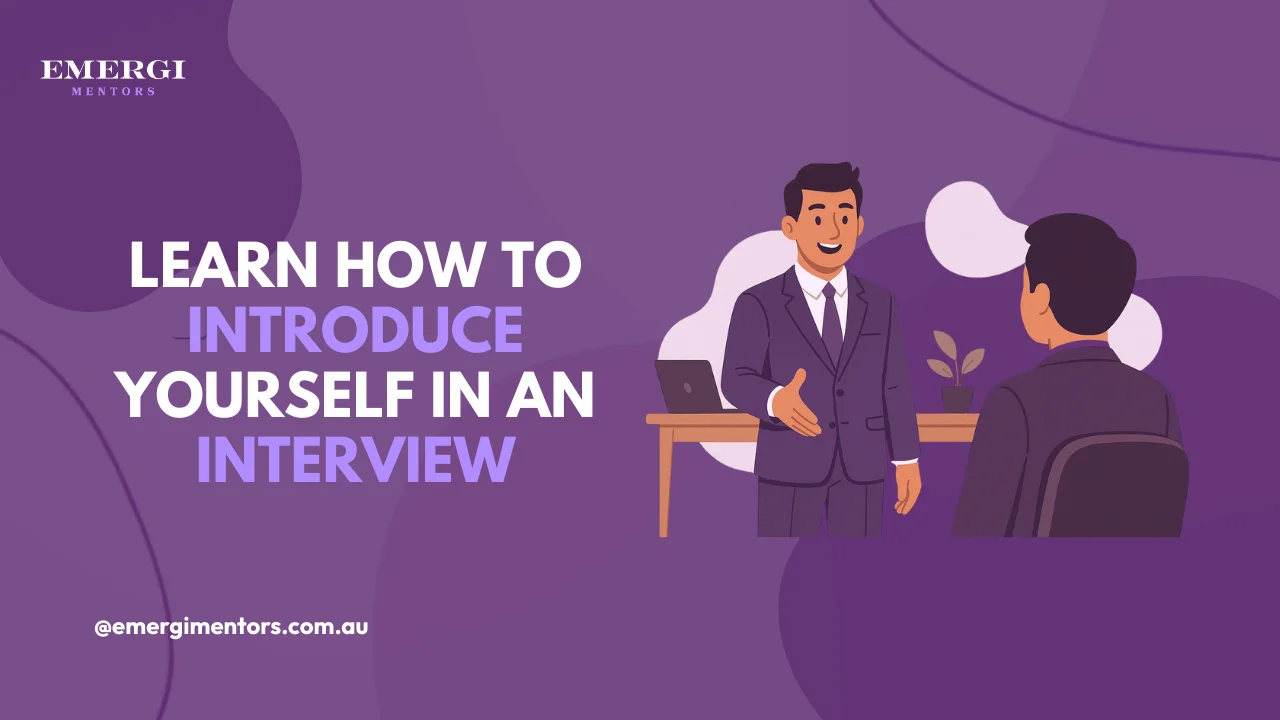
Learn how to introduce yourself in an interview properly, as it can make or break your chances of getting selected. Those 60-90 seconds of introduction set the tone for everything that follows, before you even start the real interview. Your greeting influences how recruiters evaluate your confidence, communication skills and cultural fit.
Want to master your interview introduction and the complete interview process? Set up your free career guidance call for personalised advice that helps you present your best self professionally.
The Perfect Interview Introduction Structure
Your introduction must have three clear components: who you are (professionally), what values you bring to the company, and why this specific opportunity draws you.
Start with your current role or most recent position. Then highlight 2-3 key achievements along with skills related to the job you're interviewing for. Finish by saying what excites you most about this position. Link it to your background.
What to Include in Your Introduction
Your professional identity: Mention your present job title or professional background in one clear sentence.
Relevant experience: Mention years of experience and industries you've worked in that relate to this role.
Key achievements: Share 1-2 specific accomplishments that prove your value, using numbers where possible.
Your motivation: Explain shortly why this role and company appeal to you based on your career goals.
What to Leave Out In Your Introduction
Leave out your whole work history; that's what your resume covers. Don't mention personal hobbies unless directly relevant to the role. Avoid negative comments about previous employers or reasons you left past jobs.
Australian interviewers appreciate direct communication, so don't start explaining your lengthy career or life stories. Keep it professional, authentic, and concise.
Example Introduction for Australian Interviews
"I'm a digital marketing specialist with five years of experience in e-commerce. In my current role at [Company], I increased online conversion by 35% through optimised, targeted campaigns. I'm specifically drawn to this position because your focus on sustainable brands align with my passion for marketing, and I'm excited about the opportunity to scale your digital presence."
This takes less than a minute and covers all the essential elements without rambling.
How to Introduce Yourself in an Interview: Nail Your First Impression
Practice Makes Perfect (But Don't Memorise)
Practice your introduction until it feels natural, but don't copy it word-for-word. You want to sound conversational, not robotic. Try practicing with friends, record yourself, or speak in front of a mirror to build confidence.
Tweak your introduction slightly for every interview, based on the specific role and company. Research shows personalization significantly improves interview outcomes.
Body Language Matters Equally
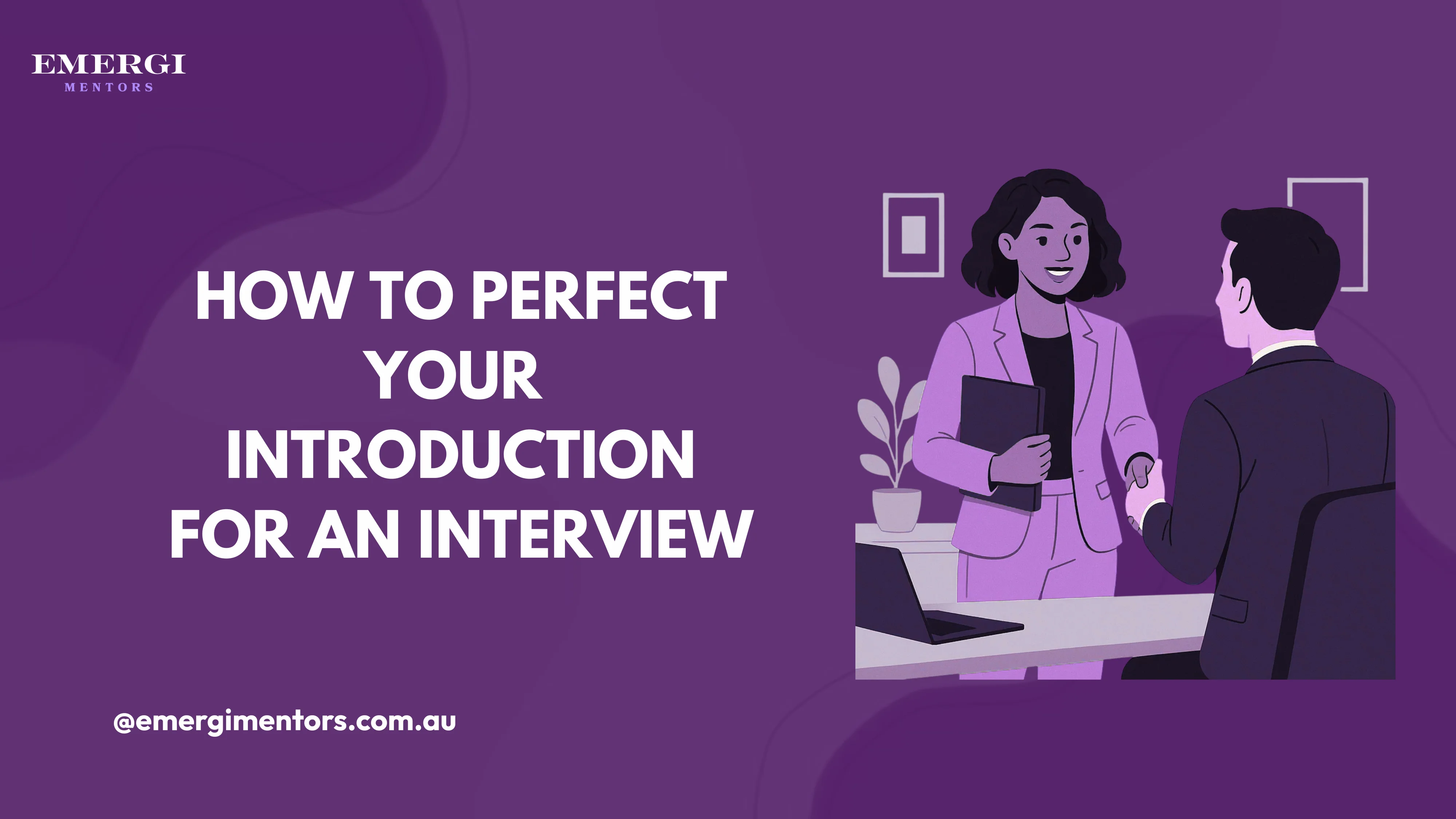
Maintain eye contact, and offer a firm handshake with a genuine smile. Your non-verbal communication supports what you're saying and demonstrates confidence.
According to Forbes, you only have 7 seconds to make a first impression. This makes delivery as important as your words.
Common Mistakes to Avoid
Don't rush through your introduction nervously.
Speak at a measured pace and breathe naturally.
Avoid filler words like "um" and "like" that show unprofessionalism.
Never apologise for being nervous or understate your experience.
Avoid arrogance, but own your accomplishments confidently.
Master Your Interview Introduction Today
Understanding how to introduce yourself in an interview gives you a proven basis to start strong every time. Prepare your introduction, practice your delivery, and walk into your next interview with confidence.
Join our Slack community for getting customised guidance. Get feedback on your introduction, mock interview practice, and ongoing support from people who have successfully presented themselves in front of employers. Get the support you need to land your ideal role.