Soft Skills for IT Professionals in Australia: Essential Guide 2025

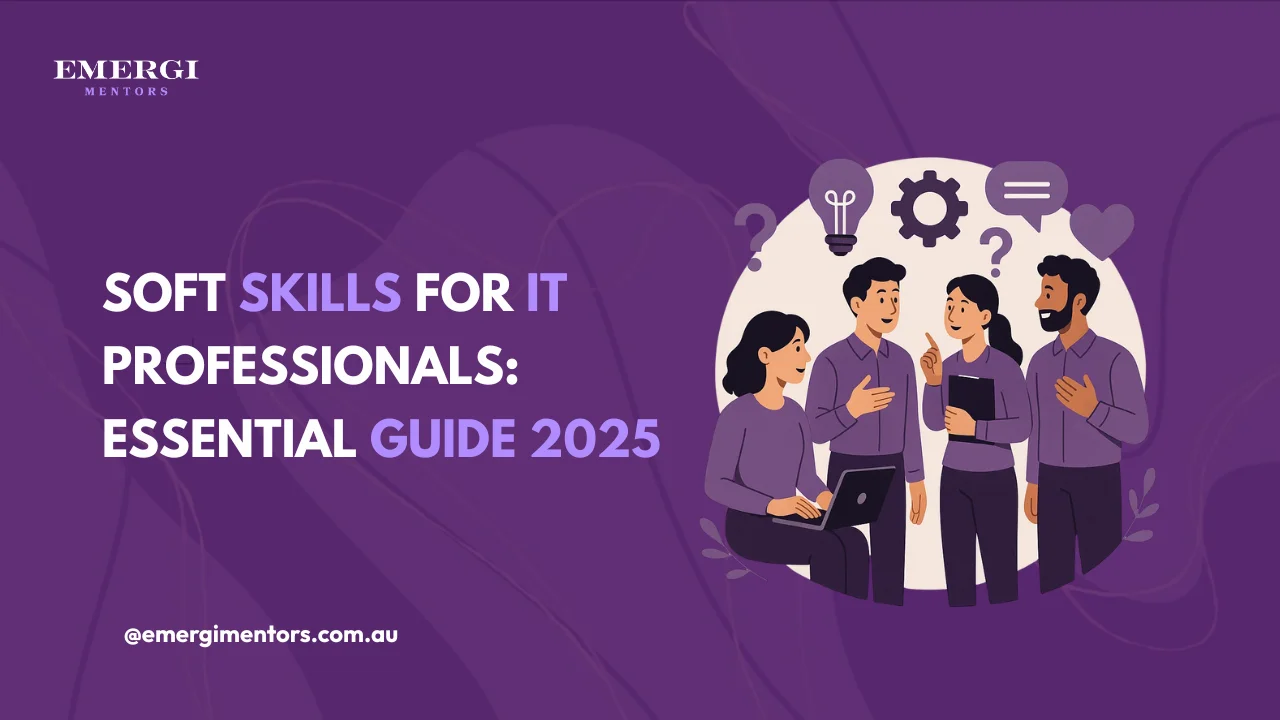
In today's fast-paced IT industry, it's important to get expertise in soft skills along with technical skills. Australia's IT sector is growing rapidly. Gartner Forecasts IT Spending in Australia to Grow 8.7% in 2025. The most successful professionals understand that mastering soft skills for IT professionals is crucial for landing promotions, leading teams, and commanding higher salaries. Your coding skills may help you get hired, but your interpersonal skills are the ones that determine long-term success.
Are you ready to accelerate your IT career beyond tech skills? Book a free career guidance call with our tech industry mentors who have helped hundreds of IT professionals develop soft skills.
Why Soft Skills Matter More in IT
The technology industry has evolved dramatically. Modern IT professionals work in cross-functional teams. They present to executives, manage clients' relationships and lead digital transformation. These responsibilities require sophisticated communication, leadership abilities, and emotional intelligence skills that traditional computer science education won't teach.
Companies like Google, Microsoft, and Amazon now clearly list soft skills in their job descriptions for tech roles. They recognise that outstanding programmers who can't collaborate effectively or communicate with stakeholders create hurdles that limit organisational success.
Critical Communication Skills for Tech Success
Translating Technical Concepts
The ability to explain tech information to non-tech individuals is invaluable. IT professionals who excel at this skill become crucial bridges between technical teams and business leadership. Practise transforming complicated processes into simple, relatable analogies that executives and clients can understand immediately.
Active Listening and Requirements Gathering
When requirements are not properly communicated or understood, many IT projects fail. Developing strong listening skills helps you understand the real business needs behind technical requests. Learning proper soft skills for professionals leads to solutions that actually solve those specific problems rather than just meeting literal specifications.
Written Communication Excellence
Clear documentation, persuasive project proposals, and concise emails separate senior IT professionals from junior developers. Your ability to articulate ideas in writing directly impacts how others view your leadership potential and expertise.
Leadership and Teamwork Capabilities
Collaborative Problem-Solving
Modern software development relies mostly on collaborative approaches like Agile and DevOps. IT professionals who build effective teamwork, resolve conflicts, and build agreements within tech decisions become natural team leaders regardless of their official titles.
Mentoring and Knowledge Transfer
Senior IT roles increasingly involve mentoring junior team members like junior developers and sharing expertise across teams. Your enthusiasm and wish to help others and teach them is considered one of the most valuable soft skills for professionals. Mentoring also demonstrates your leadership abilities while making a stronger and more capable bond within your team.
Cross-functional Partnership
Today's IT professionals work closely with marketing, sales, operations and customer service teams. Building positive relationships across departments expands your influence and creates opportunities. This partnership helps in career advancement into management or strategic roles.
Emotional Intelligence in Tech Environments
Stress Management and Recovery
IT work often involves tight deadlines, system outages, and high-pressure situations. Professionals who are calm during tough situations and manage stress effectively under pressure, and assist others in challenging times become valuable team members whom organisations promote and retain.
Pro Tip: Learn about these Low-Stress Jobs That Pay Well
Adaptability and Continuous Learning
Technology changes rapidly, requiring continuous updating of skills and adapting to new tools and frameworks. IT members who learn new methodologies and embrace change and positively help others in their transitions, become leaders within their organisations.
Empathy for End Users
Understanding user viewpoint improves software design, reduces support issues and creates better overall products. IT professionals who genuinely consider user experience in their tech decisions generate more successful solutions.
Business Acumen for IT Professionals
Understanding Business Impact
Executives value those who strategically think and connect technical decisions to business outcomes. Learn to frame your technical recommendations in terms of cost savings, risk reduction, or revenue generation.
Project Management Fundamental
Even a sole contributor benefits from understanding project management principles. Organising work effectively, managing timelines, and coordinating with stakeholders are soft skills for IT professionals, that directly impact career advancement.
Client Relationship Management
Whether working with internal stakeholders or external clients, your relationship-building skills decide project success and career growth. IT professionals who build trust among teams, manage expectations and maintain positive relationships create more opportunities for themselves and their teams.
Research from Harvard Business Review shows that soft skills now matter more than ever across all industries, with tech roles showing especially strong demand for communication and leadership abilities.
Developing Your Soft Skills Strategic Plan
Self-Assessment and Gap Analysis
Honestly assess your current soft skills against the requirements of roles you want to take on. Seek feedback from colleagues, managers, and mentors to identify specific areas for improvement.
Practice Opportunities Within Current Role
Seek chances to present to stakeholders, lead small projects or mentor new team members. These experiences build soft skills and leadership skills that you can present to your current employers.
Professional Development Investments
Consider joining professional associations, attending industry conferences or participating in leadership training. These investments in soft skills development often result in higher career success than additional technical certifications.
Measuring Soft Skills Development Success
Track your progress through certain metrics like increased project leadership opportunities, positive feedback from stakeholders and invitations to strategic planning sessions. These metrics indicate that your soft skills development is creating real results.
Document examples of how your improved communication skills contributed to project success. These stories become powerful interview materials when applying for promotions or new positions.
Your tech skills might open possibilities in IT, but your soft skills decide how far you will advance in your IT career. Investing in communication, leadership and emotional intelligence has long-lasting advantages that technology changes can't eliminate.
Take Action Now
Connect with IT professionals who have mastered the balance of technical skills and soft skills. Join our Slack community of tech professionals for tech and soft skill advancement with industry leaders and mentors.