21st Century Soft Skills for Students: Australian Learners Guide
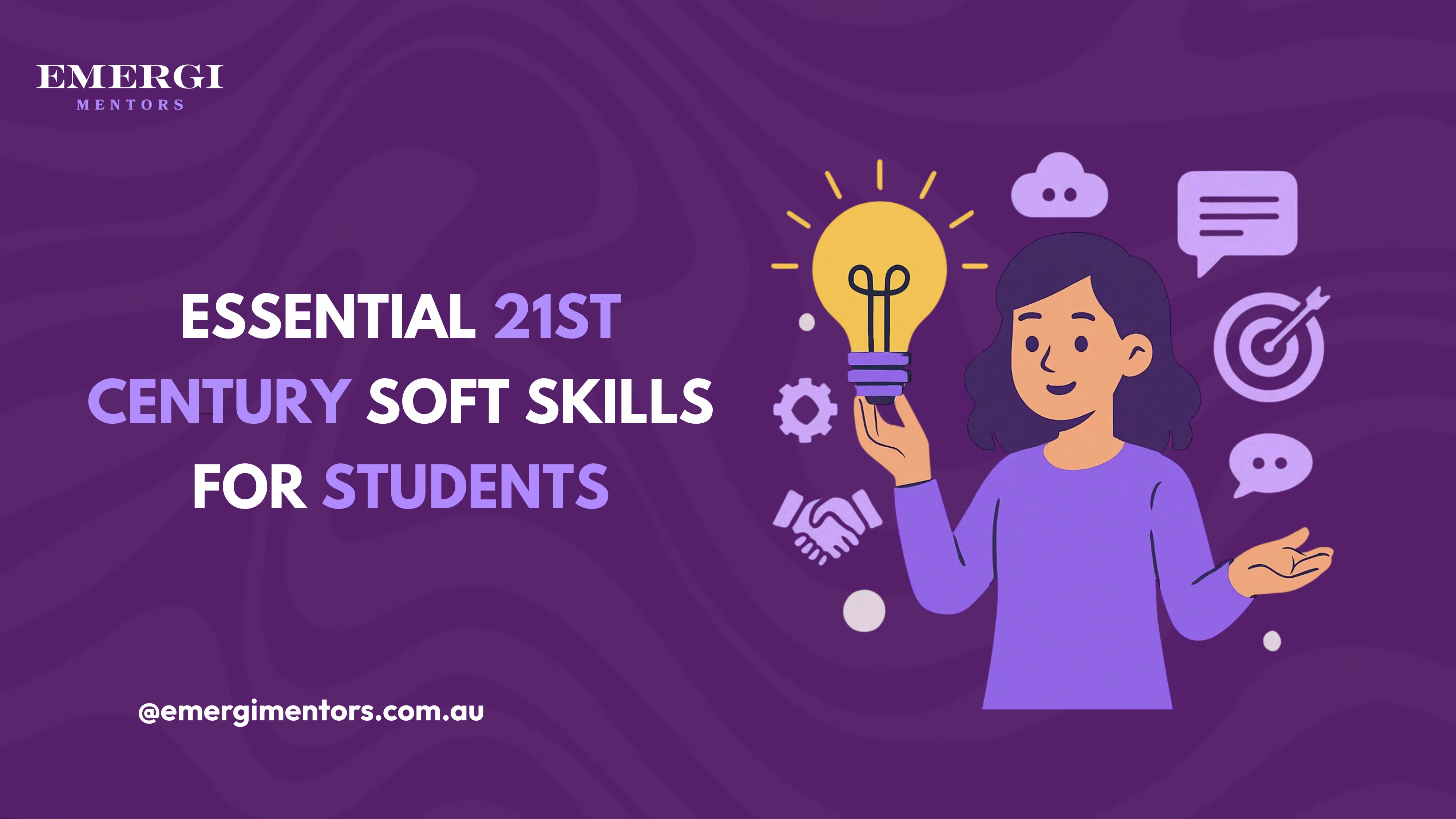
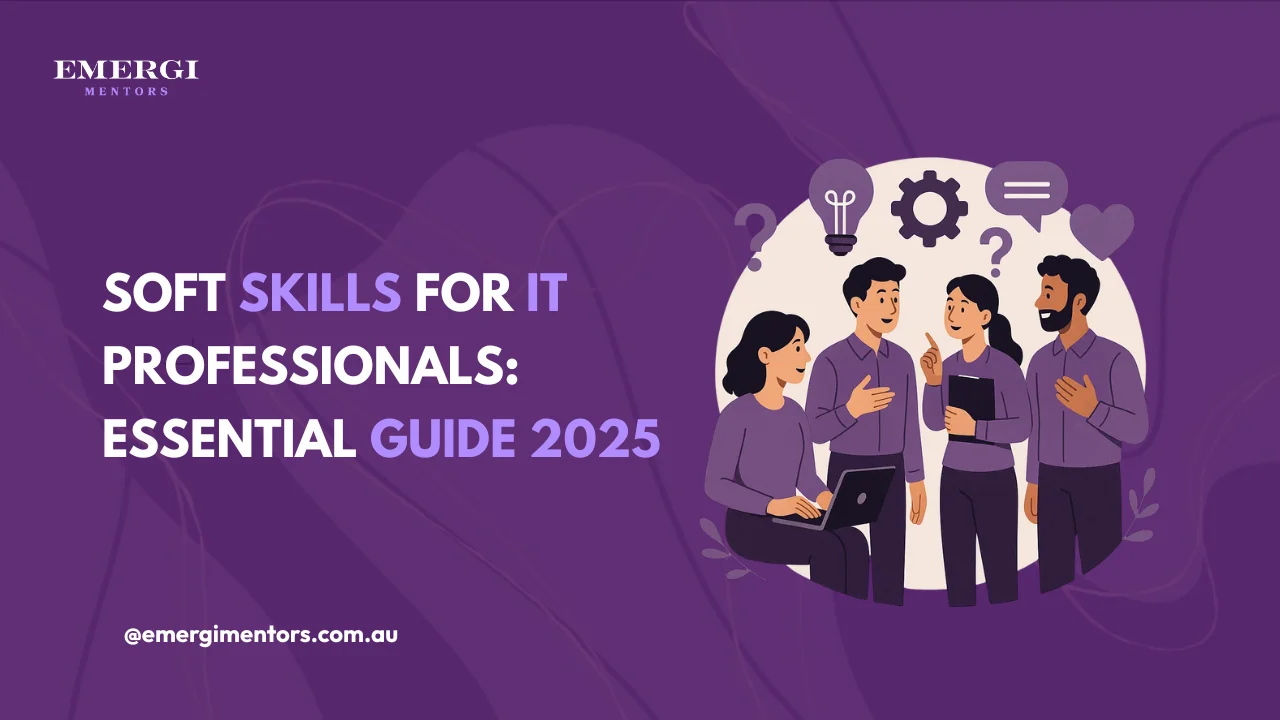
Today's Australian students have to face a rapidly changing job environment where technical skills alone won't be enough to land a job. The 21st century soft skills for students have become an essential factor in career success. Soft skills are the basic difference between those who struggle to find their place and graduates who thrive in their careers.
With Melbourne having tech startups and Sydney getting strong as a financial district, employers consistently value candidates who possess both academic excellence and cognitive abilities.
Are you ready to prove yourself to the employers?
Book a free career strategy session with a mentor. Discover which soft skills you should equally develop during your studies for maximum career impact.
Digital Literacy as 21st century Soft Skills for Students
Modern digital literacy extends far beyond knowing how to use Microsoft Office or browse the internet. Twenty-first-century students must understand digital citizenship, evaluate online information, and adapt quickly to new technologies and platforms.
21st century soft skills for students include data privacy, recognising misinformation, and collaborating effectively in a virtual environment. Students now use digital tools to solve real-world problems. Australian universities are integrating these skills commonly into their curriculum; they recognise the importance of soft skills for graduate jobs.
Critical Thinking and Problem-Solving in Complex Scenarios
The ability to analyse information objectively, question assumptions, and develop creative solutions ranks among the top 21st century soft skills for students. Unlike previous generations who often worked with simple problems, today's graduates must navigate difficult situations with multiple solutions.
Students who develop strong critical thinking skills learn to break down complex challenges, consider multiple perspectives, and make informed decisions even when facing incomplete information. These thinking abilities prove essential whether you are studying engineering, healthcare, business or the humanities.
Collaboration and Teamwork in Virtual Environments
Remote work and virtual collabs are trending and have become a constant practice in the modern workplace. Students who develop strong communication and teamwork skills learn to contribute well in group projects. Students with these 21st century soft skills manage conflicts constructively and show diverse team strengths to achieve common goals.
According to research from the World Economic Forum future of jobs report, adaptability and collaboration are among the most valuable skills employers seek across all industries.
Communication Skills for the Global Marketplace
Effective communication in the 21st century means conveying your message across all sources and to diverse audiences. Australian students should master written communication skills for email writing and reports. Verbal skills are also crucial for presentations and meetings. Digital communication through social media and other collaborative platforms is also essential in the list of 21st century soft skills for students.
The globalised nature of modern business means graduates also need cultural awareness and also the ability to communicate with respect across different backgrounds.
Adaptability and Lifelong Learning Mindset
The pace of change in technology, social structures and common business practices means today's students must learn continuously throughout their careers. Adaptability involves being open to new ideas and adjusting strategically when circumstances change. You should view challenges as opportunities for growth.
Students who cultivate this adaptable mindset during university are better prepared for career switches, industry disruptions and the ongoing need to master new skills throughout their professional lives.
Emotional Intelligence and Self-Management
Understanding and managing your own emotions while recognising others' feelings and responding to them appropriately is crucial for workplace success. Students who develop emotional intelligence and build strong relationships in their university life resolve conflicts more effectively. They often demonstrate strong leadership abilities.
This includes being self-aware, empathetic, maganging your stress and the ability to motivate both yourself and others during challenging situations.
Creativity and Innovation as 21st Century Soft Skills for Students
As automation handles routine tasks, human creativity becomes increasingly valuable. Students who think apart from conversational frameworks or generate original ideas are what recruiters want. Students who solve problems in unique ways are highly wanted in Australia's diverse job market.
Creative thinking doesn't require artistic talents; it involves questioning established methods, combining ideas and suggesting innovative solutions to existing challenges.
Building 21st Century Soft Skills for Students
Start developing these soft skills for students through actively participating in group projects, volunteering, joining student organisations and seeking internships or part-time work in your field of interest.
Many Australian universities offer workshops, mentoring programs and extracurricular activities designed to help students develop these capabilities along with their academic studies.
Preparing for Australia's Future Workforce
The Australian job market rewards graduates who master technical expertise with strong soft skills. Whether you are pursuing careers in technology, healthcare, education or finance, these interpersonal abilities will differentiate you from other candidates and accelerate your career success.
Employers consistently report that while tech skills can be taught on the job, soft skills are much harder to learn quickly, making them a crucial investment in your future success.
Take the next step in your professional development. Join our Slack community of Australian professionals, where you will connect with peers and access career resources and learn from mentors who can guide your skill development throughout your studies and beyond.