Jobs in the Computer Games Industry: Australia's Gaming Careers

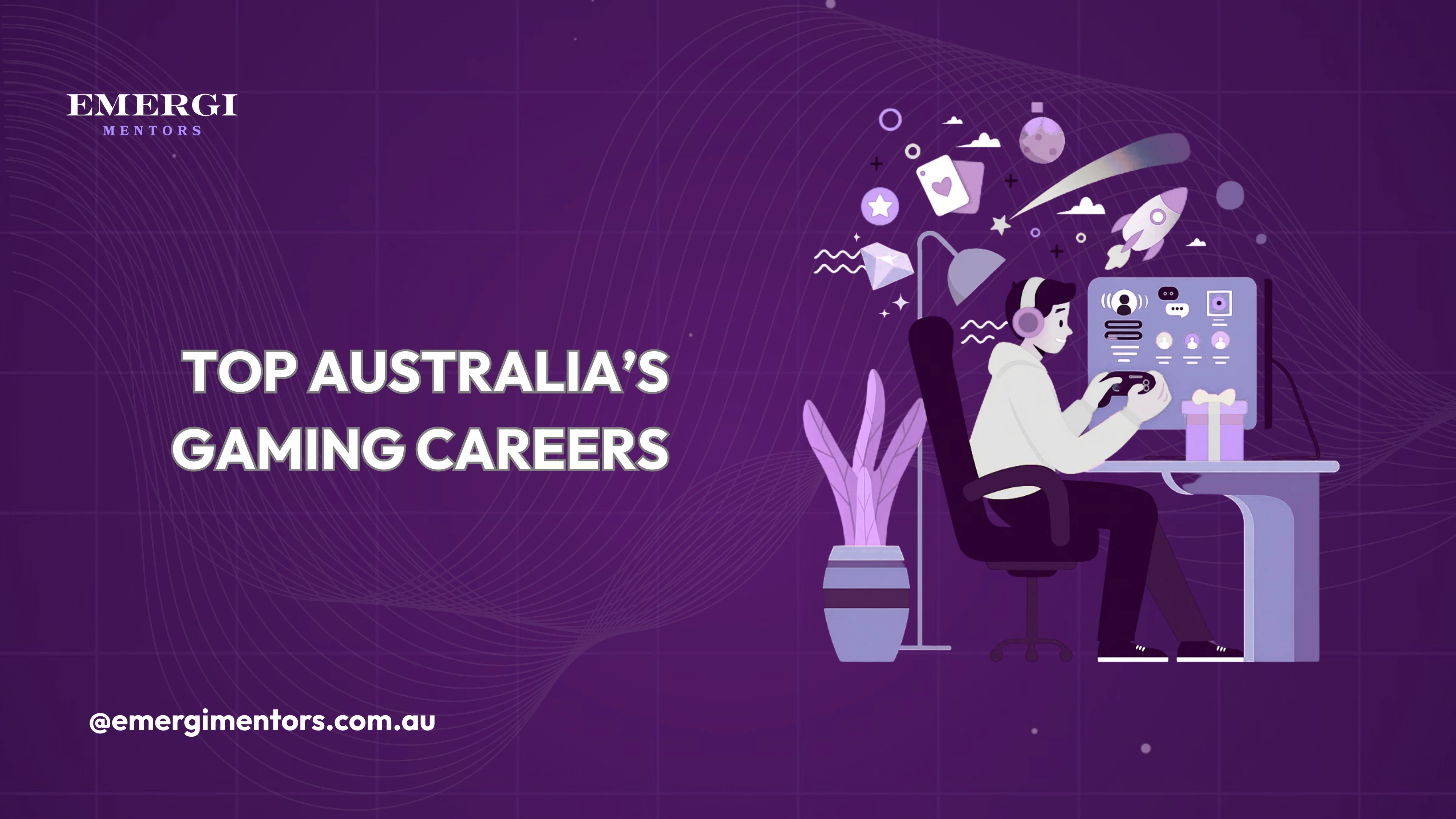
Australia's computer games industry has evolved from a niche hobby into a billion-dollar sector, creating diverse career opportunities for creative and technical professionals. If you're passionate about gaming and wondering about jobs in the computer games industry, this comprehensive guide reveals the exciting career paths available right here in Australia.
The Australian Gaming Industry Landscape
Australia's gaming sector has experienced remarkable growth, with local studios producing internationally acclaimed titles and global companies establishing significant presences in major cities. The industry now employs thousands of professionals across Melbourne, Sydney, Brisbane, and Adelaide, making it one of the most vibrant entertainment sectors in the country. According to imarc Australia's gaming market is expected to grow by CAGR of 7.6% (2025-2033).
From indie developers creating innovative mobile games to AAA studios developing blockbuster console titles, jobs in the computer games industry span multiple specialisations and skill levels. The sector offers opportunities for both creative minds and technical experts, with many roles requiring hybrid skills.
Core Development Roles
Game Programmers and Developers
Game programmers form the technical backbone of any gaming project. They write code that brings game concepts to life, working with engines like Unity, Unreal Engine, or proprietary systems. Australian studios actively seek programmers specializing in gameplay mechanics, graphics programming, and mobile development. According to Qubit Labs they can earn $70,000 or more.
Game Designers
Game designers conceptualise gameplay experiences, creating rules, mechanics, and player progression systems. They work closely with development teams to ensure games are engaging, balanced, and fun. This role requires strong analytical thinking and understanding of player psychology. Game designers can earn between $125K and $135K annually in Australia (SEEK).
Artists and Animators
Visual artists create the stunning graphics that define modern games. Roles include concept artists, 3D modellers, texture artists, and animators. Australian studios particularly value artists who can adapt to different art styles and work efficiently within technical constraints. ERI Economic Research Institute stated the estimated game artist salary is $122,000.
Technical and Production Careers
Quality Assurance Testers
QA testers ensure games meet quality standards before release. They identify bugs, test gameplay mechanics, and provide feedback on user experience. This entry-level role often serves as a stepping stone to other gaming careers. They earn between $80,000 and $140,000 annually.
Technical Artists
Technical artists create a connection between art and programming teams. They create tools, optimise artwork for game engines, and solve technical challenges that arise during development. This hybrid role is highly valued in Australian studios.
Production and Project Management
Producers coordinate development teams, manage timelines, and ensure projects meet deadlines and budgets. They require strong organisational skills and understanding of game development processes.
Emerging Opportunities
Mobile Game Development
With smartphones dominating gaming consumption, mobile game development offers significant opportunities. Australian companies have found success in casual games, puzzle games, and location-based experiences.
Virtual and Augmented Reality
VR and AR technologies are creating new gaming experiences and job opportunities. Developers specialising in immersive technologies are increasingly sought after by forward-thinking Australian studios.
Esports and Community Management
The growing esports scene has created roles in tournament organisation, community management, and content creation. These positions combine gaming knowledge with marketing and event management skills.
Skills and Education Pathways
Technical Skills
Programming languages like C++, C#, and Python are essential for development roles. Understanding game engines, version control systems, and optimisation techniques provides competitive advantages.
Creative Skills
Artists need proficiency in software like Maya, Photoshop, and Substance Designer. Designers benefit from understanding user experience principles and data analysis.
Soft Skills
Communication, teamwork, and problem-solving abilities are crucial across all gaming roles. The collaborative nature of game development requires professionals who work effectively in diverse teams.
Australian Industry Insights
Major Australian gaming companies include Halfbrick Studios, Team Cherry, and international studios like Activision Blizzard and Electronic Arts. Government initiatives support the industry through tax incentives and funding programs, creating additional opportunities for growth.
According to IMARC Group reports, the Australian gaming sector continues expanding, with particular strength in mobile gaming and independent development. This growth translates to increasing job opportunities across all specialisations.
Salary Expectations
Entry-level positions typically start around $50,000-$70,000 annually, while experienced professionals can earn $80,000-$150,000 or more. Senior roles and specialised positions often command premium salaries.
Breaking Into the Industry
Many professionals enter through internships, graduate programs, or by creating portfolio projects. Building a strong portfolio demonstrating relevant skills is crucial for securing interviews. Participating in game jams and contributing to open-source projects can provide valuable experience.
Networking within the Australian gaming community through events, conferences, and online communities helps professionals discover opportunities and build relationships with industry insiders.
Ready to Start Your Gaming Career?
Jobs in the computer games industry offer exciting opportunities to combine passion with profession. Success requires dedication, continuous learning, and strategic career planning, but the rewards include working on projects that entertain millions of players worldwide.
Transform your gaming passion into a professional career. Connect with experienced mentors who understand the Australian gaming industry and can guide your career development. Get personalised mentorship from Emergi mentors Game Development Mentor and accelerate your journey into Australia's thriving computer games industry.