How to Build a Tech Portfolio That Gets You Hired in 2026

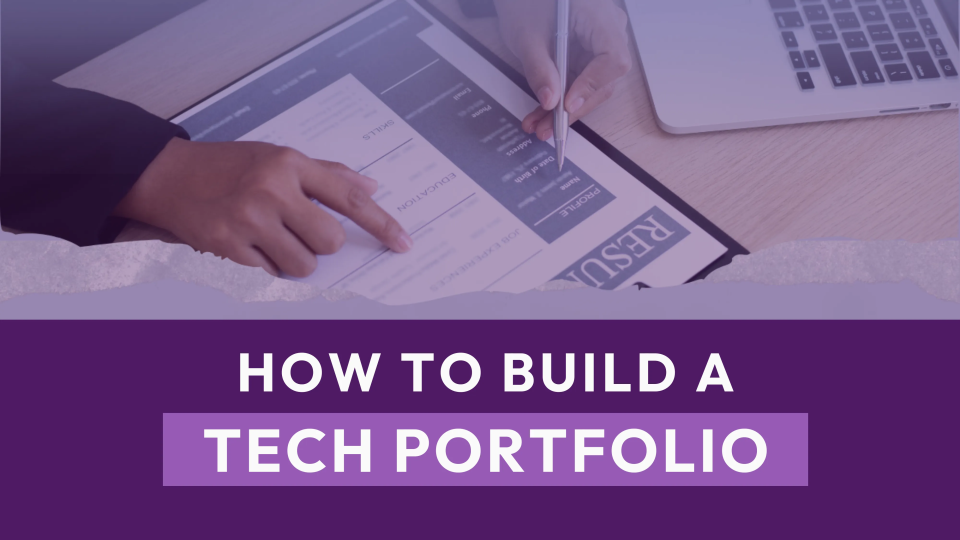
A tech portfolio is an important part of your digital assets. If you want to build a tech portfolio that gets you hired, the answer is simpler than most people think: pick two to four real projects that solve real problems, explain your thinking clearly, and make it easy for a hiring manager to see what you can do in under two minutes. You don't need twenty projects, a fancy website, or years of experience. What you need is clarity, relevance, and a portfolio that speaks directly to the role you want. A good portfolio will help you land a job faster than your CV.
Someone who's been in tech for a while but hasn't put their work together in a way that lands interviews need proper guidance from someone who has been there and knows how to land interviews.
Importance of Tech Portfolio in 2026
In 2026, employers aren't just reading resumes and checking degree requirements anymore. A 2025 report found that 85% of employers throughout Australia and New Zealand have seen skill gaps negatively affecting their organization's performance. As a result, companies are now focusing more on proven skills and real ability, not just job titles on a resume.
A portfolio is your proof. It shows what you've built, how you think, and whether you can take an idea from concept to something that works. And a lot of people don’t understand that ATS systems might sort out resumes, but they don't evaluate the creativity, problem-solving, or growth that a portfolio can show.
We’ll help you design a portfolio that stands out whether you are an aspiring data analyst, software developer, AI product manager, or someone thinking of entering tech. Let your tech portfolio speak for you.
Get Clear on the Role You're Targeting
Before you touch a single project or open GitHub, get specific about the role you want. This sounds obvious but many people don’t focus and skip this step and, in the end, create a portfolio that shows many works but doesn’t convey anything.
Ask yourself: Am I going for a software engineering role? A data analytics position? UX design? Cybersecurity? Each of these fields looks for something slightly different in a portfolio, and what impresses a front-end recruiter won't necessarily impress a data science hiring manager.
Once you know your target role, look at real job listings on Seek, LinkedIn, or Indeed. These are ideal for searching for jobs in Australia. Search for the tech stack that is commonly listed in job descriptions, tools, and specific problems that need to be solved, then make your portfolio according to these terms and follow a proper roadmap.
You can save months of guesswork by connecting with experienced professionals, such as a career mentor. If you are not sure where to start, they’ll help you with their knowledge of the Australian market.
Choose the Right Projects (Quality Over Quantity)
This is where most people overthink it. How many projects do you need to show on your portfolio? Remember, quality outranks quantity. If you make 3-5 quality projects instead of dozens of baseless projects, they will be enough to deliver value to employers. Recruiters scan portfolios to determine how you think and how you solve problems over time.
A Software Engineer and Developers' Portfolio
For software engineers and developers, a full-stack project is a strong starting point. Think of a simple app, a task manager, a budget tracker, and a local events aggregator. Start by building the front end with React and the back end with Node.js or Python. Pair it up to the database and deploy it. What tools you are using is less important than what works and is explained well. Also, contributing to an open-source project on GitHub is a meaningful addition; it shows you can explore real-world codebases and work with others.
Tech Portfolio for Data Analysts and Scientists
Build a dashboard that turns raw data into something useful. Use publicly available datasets from the Australian Bureau of Statistics, Kaggle, or data.gov.au. The key is showing that you didn't just run some code, but you analysed the results and produced a result that would truly be useful to a business. Include your charts, markdown commentary, and your reasoning.
UX and UI Designers Projects
Take a real product or website that has poor user experience (government websites are a classic example) and redesign it.
Include your research process
Add wireframes
Explain your decisions
Final mockup
Hiring managers in design want to see how you got to the answer, not just the pretty result. You can also use creative networks such as Behance and DesignLab to show and get inspiration for your portfolio projects.
Tech Portfolio Suggestion for IT and Cybersecurity
A portfolio for IT and cybersecurity roles should be a clear document of your complete thought process: how you managed to solve the problem, what you were thinking, and what challenges you faced. When you set up a secure local network using virtual machines, configure firewalls, and write down your process in plain language. You can also create an incident response plan for a fictional business scenario.
Tell the Story Behind Each Tech Portfolio Project
Context is something most portfolio guides don't talk about enough. A project without context is just code or a screenshot. But a project with context is a case study, and case studies get people hired.
Briefly answer these four questions:
What problem were you solving?
What did you build?
How did you approach it?
What was the result, or what did you learn?
You don't need to write a complete essay. Just three to five clear paragraphs per project is enough. Use plain language and write it the way you'd explain it to your smart friend who doesn't work in your own field. Try to avoid technical jargon unless it's directly relevant to the role.
It’s not about what you code, but why you build it and how it helps. Explaining the “why” behind the code is what makes your portfolio noticeable among many applicants.
Pick the Right Platform to Present Your Work
Where you host or present your tech work is important but a little less than what you show. GitHub is the go-to for software developers and anyone in a technical role. Keep your repositories clean, write proper README files, and make sure someone can successfully clone and run your project without getting stuck. When quality and version control is important, GitHub is the ideal choice for tech portfolios.
A personal website gives you the most control and works well for all tech roles. You can use tools like Webflow, Squarespace, or even a simple GitHub Pages site. You don’t need to spend many weeks building an elaborate site that takes forever to load. Instead, a clean, easy-to-navigate one-pager with links to your projects is better.
An underrated option for career changers or people who want something simple to set up is Notion. It's flexible, it looks professional, and you can organise your work clearly without any design skills.
For most people starting out in Australia, a combination of GitHub (for your code) and a simple personal website for explaining your overall story is the most effective setup.
Make Your Portfolio Easy for Recruiters to Understand
You could have the best projects in the world and still miss out because your portfolio is hard to understand. A good portfolio structure has four components:
A short bio: two to three sentences about who you are, what you do, and what kind of roles you're looking for. Be specific. "Junior full-stack developer with a focus on Python and React, looking for roles in Sydney or remote across Australia" is much better than saying "passionate about technology".
Your skills and tools: a clean list of technologies, tools, and frameworks you use. Don’t list every tool you have ever used. List only the ones relevant to the role you are targeting.
Your projects: include 3-5 projects, all with a title, a brief description, a link to the live version or GitHub repo, and your case study write-up.
Contact details: Make it easy for recruiters to reach you; add a professional email address and a link to your LinkedIn profile.
Pro tip: make sure your portfolio loads quickly on mobile. Australian recruiters, like most recruiters globally, are often reviewing candidates on their phones.
How Mentors Help to Build a Tech Portfolio that Gets You Hired
One of the biggest mistakes people make when building their tech portfolio is doing it in complete isolation. They spend months on projects no one has validated, organise their portfolio in a way that doesn't match what local employers look for and then wonder why they're not getting responses.
Getting honest feedback from someone who understands the target job market can change everything. Even one to two mentoring sessions at the right time of building a portfolio with a mentor working in your target industry is enough. Mentorship can save you time and redirect your effort to meaningful work.
Keep Your Portfolio Updated and Keep Adding to It
A portfolio isn't a one-time project. It's a working document that reflects where you are in your career right now.
Set a reminder every three months to review it.
Add any new projects you've completed.
Update your skills section as you learn new tools.
Archive older projects that no longer represent your best work.
Post updates on social platforms such as LinkedIn, tag mentors, and list real proof of your ongoing growth that is visible to recruiters. Employers notice when someone's portfolio looks outdated. They also notice when someone is clearly still learning and growing.
If you've contributed to an open-source project, attended a hackathon, or completed a course that's relevant to the role you want, include it in your tech portfolio to get hired.
Common Mistakes That Ruin Tech Portfolios
Before you hit publish, here's a quick checklist of things to avoid:
Too many projects with no depth. Five projects with proper case studies beats fifteen projects with no explanation every time.
Adding only tutorial projects: If every project in your portfolio is a "to-do list app" from a YouTube tutorial, it won't stand out. A small original project that solves a personal problem is more impressive than a technically advanced tutorial project.
If a recruiter can't actually see or interact with your project, they'll move on. Deploy your work, even if it's just on a free hosting platform. Add a working demo or link. Spelling and grammar errors might seem minor, but they show carelessness. Always proofread everything. Also include your README files on GitHub.
Not targeting the Australian market: Add reference to local technologies, datasets, or problems. Employers in Australia respond well to candidates who clearly understand the local context.
If you are going through a career change into tech in Australia and want a clear, organised plan rather than just general advice, working with a mentor who's done it (or helped others do it) can make a real difference. Explore what Emergi Mentors offers.
Frequently Asked Questions
How many projects should a tech portfolio have?
Three to five well-explained projects are ideal. A portfolio with three strong case studies will outperform one with ten projects that have no context or explanation.
Do I need a degree to get a tech job in Australia if I have a good portfolio?
Not necessarily. Australian employers are increasingly focused on skills-based hiring. A strong portfolio that shows real capability can be enough to get interviews, especially for entry-level and junior roles.
What should I put in a tech portfolio with no experience?
Start with personal projects, bootcamp assignments, or projects you built while learning. Include anything that solves a real problem. Explain your thought process clearly and show the code or outcome. Employers understand that entry-level candidates don't have commercial experience, so what they want to see is initiative and the ability to apply skills.
Is GitHub enough for a tech portfolio?
GitHub is excellent for developers, but it works best when your repositories are clean, well-documented, and have clear README files. For non-developer roles like UX or data, you'll probably need something that shows your work more visually, like a personal website or a Notion-based portfolio.