Data Science vs. Computer Science: Which Career Path Is Right for You?

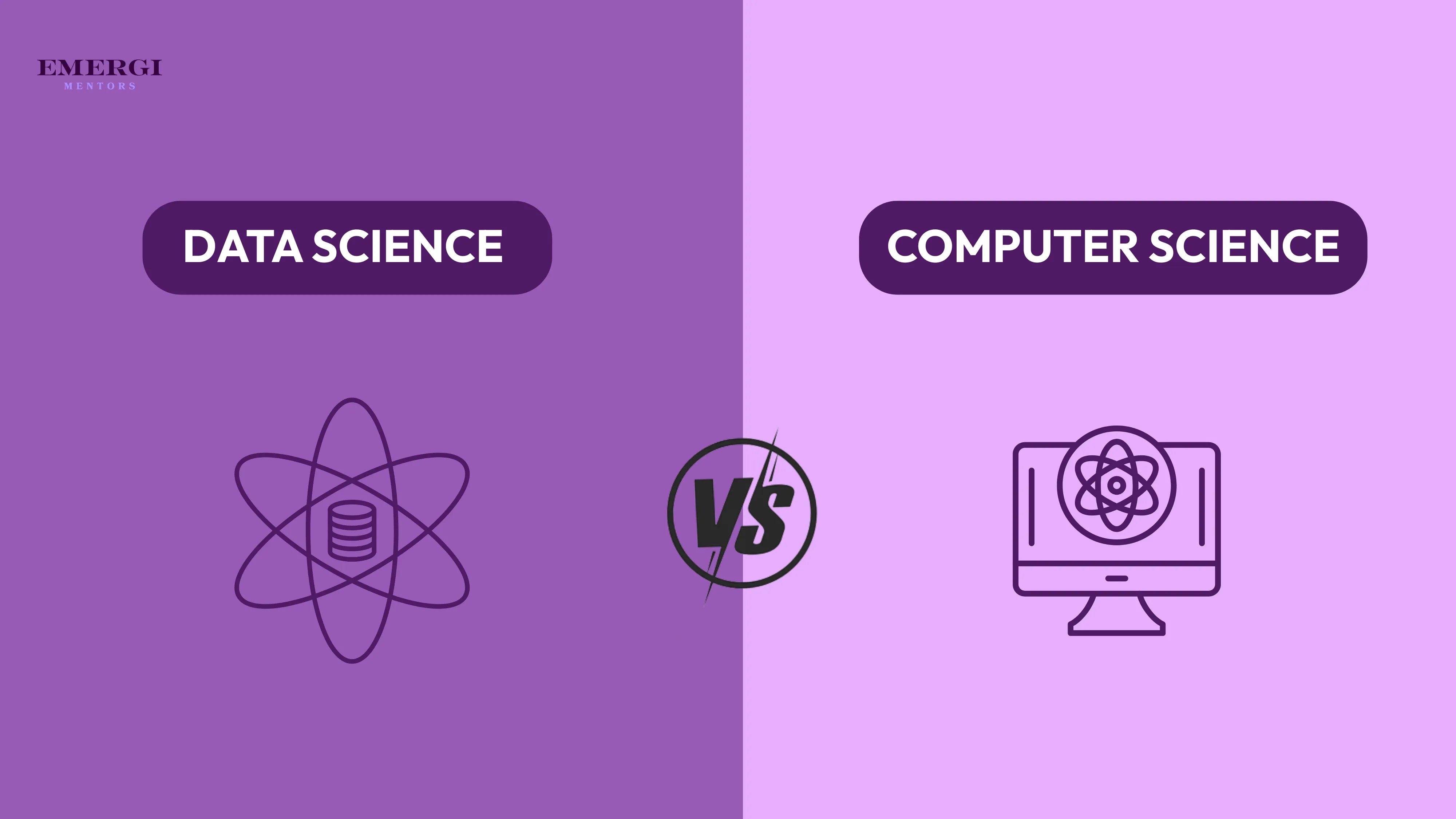
If you are choosing between data science and computer science, you can feel overwhelmed when both fields offer multiple career opportunities. If you are deciding between data science vs. computer science, you need to understand how these are not just two titles but different in salary, career growth opportunity and responsibilities. Here's what you need to know right now: Data scientists in Australia earn an average of $135,000 annually, while software engineers and computer scientists are paid $107,000-$186,000 depending on specialization.
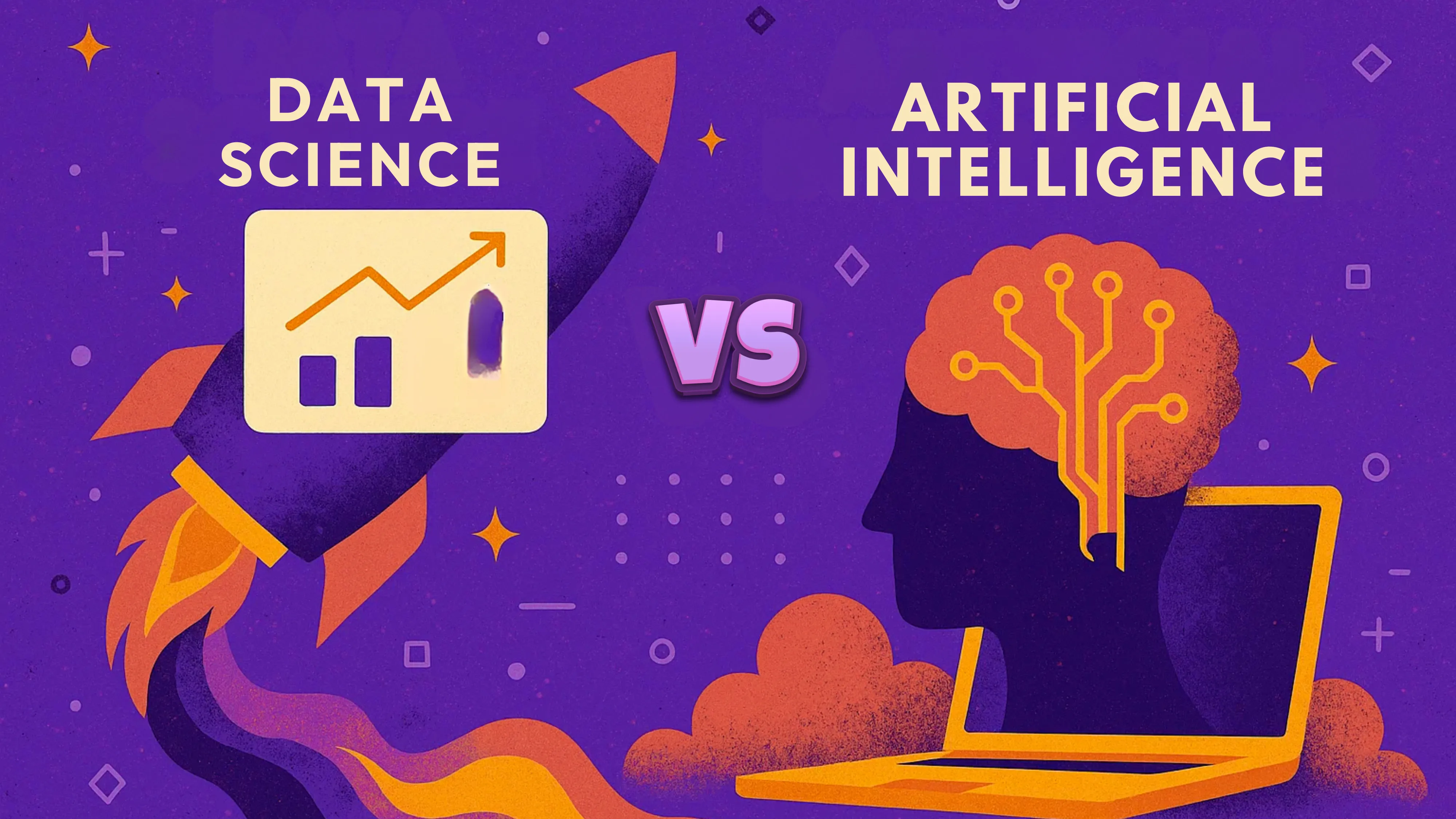
The main difference is that data science focuses on getting actionable insights from data using AI and statistics, while computer science builds the primary systems, software, and infrastructure of the digital world. We have compared both fields backed by the latest 2026 industry data, so you can make an informed decision that matches your strengths, interests, and career goals.
Understanding the Difference Between Data Science and Computer Science
Australia’s IT industry spending is expected to reach $172 billion in 2026, according to a forecast by Gartner. Data science and computer science come under the same IT industry but they have different roles and skillsets.
Computer science is in fact a broader field with everything related to computation in it. Software development, hardware architecture, algorithms, operating systems, cybersecurity, networks, and artificial intelligence are all part of the computer science field. From the apps on your phone to the cloud infrastructure that supports businesses across Australia, computer scientists build the foundational tools and technologies.
Data science, in contrast, is a specialized field which involves working on structured and unstructured data to extract meaningful insights. They combine statistical knowledge, ML, programming, and domain expertise to analyze vast datasets. Data scientists identify patterns, predict trends, and deliver data to businesses for making decisions. They are in demand in sectors such as healthcare, finance, retail, and marketing.
You can think of it this way: computer science professionals make tools and systems, while data scientists use those tools for driving data. Computer science teaches you how computational processes work, and data scientists find the purpose behind the patterns in information.
Data Science vs Computer Science Salary: Who Earns More
Salary often influences the career decisions of people starting in tech. Data science and computer science fields offer competitive salaries but there is a significant difference in both fields’ salary packages. According to multiple 2025-2026 surveys, data scientists in Australia earn an average annual salary of $117,000 to $130,000. Senior data scientists can earn an average of $165,000 annually. According to Levels.fyi, Atlassian’s top data scientist (P60) can earn $370,000 along with bonuses.
Computer scientists make more than $100K annual income. Software engineers can also earn about $125,000 on average salary or more depending on their experience and specialization. Professionals in specialized fields of cybersecurity, cloud, and DevOps earn higher salaries ranging from $180,000 to $237,000 and more.
Australian City Salary Variations
Geographic location greatly determines earning potential across Australia's tech hubs. Sydney offers the highest salaries. The city concentrates on fintech, and major tech companies and startups provide higher salaries for roles like software engineers $133,000 and data scientists $150,000 annually.
Melbourne is just after Sydney in providing premium salaries for tech roles. The average salary of a data scientist in Melbourne ranges between $110,000 and $120,000. Computer scientists and software engineers earn $105,000 to $125,000. Melbourne is known for its strong presence in healthcare tech, AI research and digital innovations that support its economy.
Brisbane and Canberra pay a little less than Sydney and Melbourne but have lower living costs. Entry-level software engineers’ salary in Brisbane is $90,000, while data scientists earn $80,000 to $100,000 annually. Perth and Adelaide are emerging tech hubs where salaries range from $90,000 to $130,000 for both fields.
Salary Factors That Matter in Australia
There are many variables that effect earning potential in both fields in Australia:
Industry and employers greatly impact compensation. Data scientists in finance, technology and consulting typically earn more than those in the public sector or healthcare and education. Major companies like Atlassian, Canva, WiseTech Global and REA Group pay more to their computer scientists than any other nonprofit organization.
Specializations are valued in the Australian tech market. AI specialists and machine learning engineers can earn more than 200K annual salary. Cloud architects and cybersecurity specialists earn $280,000 to $300,000 at an expert level. If you want to negotiate better salaries as a data scientist, you need to excel at Python, big data tools (Hadoop, Spark), and advanced analytics.
Experience level is another factor that creates a difference in salary. According to latest Australian industry data, salaries are often double from entry level to senior level. Mid-level professionals (3-7 years) earn $95,000-$160,000, while principal engineers and lead data scientists achieve $175,000-$220,000.
While data scientists earn slightly more than computer science professionals, both fields offer 6-figure salaries. The answer to “who earns more” depends on your experience, skills, specialisations, location and career path. The Australian government aims to create 1.2 million new roles in the technology sector by 2030, increasing the chances of financial security and growth in both data science and computer science.
Accelerate your tech career with personalised guidance and connect with mentors who have been through exact paths in Australia’s tech industry.
Data Science vs Computer Science: Which Is Harder?
The difficulty of any career depends on your strengths, goals, interests, and learning process. Out of data science vs. Computer science, neither is “easier”, but they are challenging in their own way.
Computer Science Challenges
Computer science professionals need to think with algorithms and have problem-solving abilities. You'll need to master various programming languages (Python, Java, C++, JavaScript), understand complicated data structures, learn operating systems architecture, and develop software engineering principles. From low-level hardware knowledge to high-level software design, each step is versatile.
Computer science professionals face difficult challenges in their career as they advance such as quantum computing, AI ethics, efficient algorithms, software complexities, etc.
Australian universities offering strong computer science programs, research and teaching, include:
UNSW Sydney
University of Melbourne
ANU
University of Sydney
Monash University
These universities are ideal for gaining theoretical and practical knowledge.
Data Science Challenges
Data science students and professionals face many challenges and hurdles in their careers. It requires a statistical background and strong mathematical foundations, including
Probability theory
Regression analysis
Hypothesis testing
Bayesian inference
Apart from technical challenges, many professionals face emotional challenges like dedication, anxiety, and uncertainty. Data science requires patience, as there are multiple programming languages and skills to learn, and people often feel confused about the starting point and prioritizing skills. A Data science mentor plays an important role in giving you a direction to follow based on your actual interest and level of skillset. Without proper guidance, people spend months planning and researching the right path.
Communication skills are very important for data scientists to convey and translate complex tech findings as actionable advice to non-tech stakeholders. Australian businesses also values professionals with excellent communication skills.
Top universities for data science include the University of Melbourne, RMIT, Monash University, ANU, Sydney Technical University and University of Queensland.
If you have strong knowledge of statistics and enjoy extracting insights from large, messy, uncertain data, then data science may feel natural to you. And if you prefer building systems, understanding technology fundamentals, and creating software solutions, then computer science is better for you.
Educational Pathways in Australia: Data Science vs. Computer Science
Educational programs in both fields offer multiple options and training opportunities.
Path | Bachelors | Coursework | Master's Programs | Alternative Pathways |
Computer Science | A four-year bachelor’s degree from reputable university like UNSW, ANU, Sydney, or Queensland | programming fundamentals, operating systems, computer architecture, software engineering, data structure, databases, networks, and theory of computation | 1-2 years allow specialization in AI, cybersecurity, machine learning, human-computer interaction and distributed systems | Mentorship (6-12 months) Coding bootcamps, TAFE courses, online certifications, and self-directed learning |
Data Science | Bachelor's in data science from UTS, RMIT, Monash, and ANU. Also many data scientists hold a degree in statistics, mathematics and CS or related fields. | Coursework covers statistical theory, probability, regression analysis, ML algorithms, programming (Python, R, SQL) data manipulation and cleaning, data visualization, and big data technologies | A master’s program in data science, analytics, or applied statistics which typically requires 1-2 years. | Mentorship (9-12 months) by Emergi Mentor, Bootcamps (General Assembly, Academy Xi), online courses (Coursera, Udemy, edX, DataCamp), and certifications in tools such as Tableau, Power BI) or platforms (AWS, GCP) |
According to RMIT research, data science is an emerging occupation in Australia. Data science professionals can choose from careers as data analysts, data engineers, AI & ML specialists, and BI developers.
Required Skills for Data Science vs. Computer Science
Computer Science Essential Skills
Programming
Python, Java, JavaScript, C++, Ruby, and many other languages form the foundation of computer science. You'll need mastery of data structures and algorithms. You should understand when to use arrays, linked lists, trees, graphs, hash tables, and various sorting and searching algorithms.
Software development principles
This includes version control (Git), testing methodologies, design patterns, and agile development practices. A software engineer knows how a system works at multiple levels and has proficient knowledge of operating systems, networks, and databases.
Cloud computing skills
AWS, Azure, and Google Cloud Platform knowledge can increase your earning potential. Problem-solving and debugging skills are crucial, as you’ll spend plenty of your time identifying and fixing issues in codebases.
Data Science Key Skills
Mathematics and statistical foundations are a must for data science. You need to get expert knowledge of probability, distributions, hypothesis testing, regression analysis, and statistical inference. Python and R are important for data analysis, manipulation, and modeling. SQL is required for extracting and querying data from a database and is valued by employers in Australia.
Other important skills are:
Machine learning: supervised learning (regression classification), unsupervised learning (clustering, dimensionalisation), deep learning, and neural works.
Data wrangling and cleaning: Real-world business data is messy and incomplete, and it requires extensive preprocessing before analysis.
Data visualization: Tools like Tableau, Power BI, Matplotlib, or ggplot2 help you communicate findings effectively.
Domain knowledge in your industry (finance, healthcare, or tech) is important to ask questions and drive results effectively.
Communication abilities make you a competent data scientist, as your work involves translating findings into business recommendations.
Both fields require some similar fundamental skills like programming, problem-solving abilities, mathematical reasoning, cloud platform knowledge, and understanding of AI and machine learning concepts.
Career Progression and Opportunities in Australia
Computer Science Career Paths in Australia
Computer science opens diverse career pathways in Australia's $167 billion tech sector. Computer science graduates work across every industry in Australia and can transition to any specialization throughout their careers.
Experience | Position | Salary |
Entry-level | Software Developer, Web Developer, Systems Analyst, IT Support Specialist, Junior Developer, or QA Tester | $60,000-$120,000 |
Mid-level roles | Senior Software Engineer, DevOps Engineer, Full-Stack Developer, Cloud Solutions Architect, or Cybersecurity Analyst | $110,000-$140,000 |
Senior/specialized positions | Principal Engineer, Engineering Manager, Technical Architect, Security Architect, or Engineering Director | $150,000-$220,000+ |
Data Science Career Paths in Australia
Data science offers many career progression opportunities in each sector. Their insights help businesses make informed decisions and generate revenue, so they are valued more in technology, finance, healthcare, e-commerce, retail, and consulting. Companies like Commonwealth Bank, ANZ, Telstra, Woolworths, and major Australian tech firms frequently hire data scientist.
Making Your Decision: Which Path Fits You in Australia?
Both fields face significant talent shortages in Australia. According to the ACS Digital Pulse 2025 report, Australia's tech sector now employs over one million people. Another report states 51% of workers lack at least one digital skill necessary for their current roles. There are huge opportunities for qualified professionals in both data science and computer science. AI and machine learning are also creating more jobs.
The boundaries between data science and computer science are blurring in Australia's tech sector. If you combine analytical skills from data science with programming expertise in computer science, your chances of getting hired for roles such as machine learning engineer, AI engineer, or data engineer increase. Whatever path you choose, having experienced guidance can dramatically accelerate your success in Australia's competitive tech market.
Frequently Asked Questions
Can I switch from computer science to data science in Australia?
Yes, computer science professionals have many skills needed by data science, including programming, algorithms, and computational thinking. For transitioning into data science, you need to learn statistics, machine learning, and data analysis tools. Python, R, and SQL are the main tools. Many professionals find the transition easy with mentorship and focused skill development.
Do I need a computer science degree to become a data scientist in Australia?
No, you don’t need a computer science degree to become a data scientist. Many successful Australian data scientists have degrees in statistics, mathematics, economics and engineering. Employers value skill expertise more than any degree. If you are an expert in statistical analysis, programming (Python/R), machine learning, and data visualization and have domain expertise, then you can easily progress in this career. Data science is an emerging tech occupation, according to RMIT.
How long does it take to break into the computer science vs data science field in Australia?
A bachelor’s degree takes 2-3 years, and a master’s degree would require an additional 1-2 years, however, a bootcamp can be up to 24 weeks and mentorship can make you job ready within 6-12 months. Emergi mentors provide you with structured learning and customizable roadmap that focuses on your starting point, learning ability, and previous technical background. One of our mentees transitioning to data science from software engineering took 6-9 months to land her first role as a junior data scientist.
Data science vs computer science: Which is easy?
Neither of them is easy. Every career path comes with its own challenges. It depends on your natural skills and learning abilities. If you prefer statistics and maths, data science may appeal to you. CS focuses more on programming and logic for building systems, software, and applications.